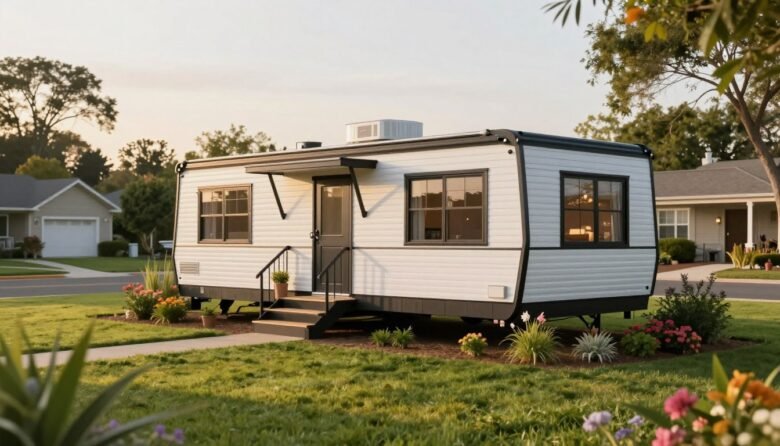
In December 2020 a small project began when an empty lot near a lake became the base for a 20-year-old mobile home. What started as a simple purchase turned into a long, careful process that finished in October 2021.
Many families find that buying an older mobile unit lets them save money up front and spend more on high-end exterior and interior upgrades. The size of the lot and the family’s needs shaped every decision, from layout to materials.
Navigating local permits was a crucial first step. Understanding rules kept the project on track and helped the team aim for a house-like result without a full rebuild.
This approach shows how a thoughtful remodel can give small homes modern comfort and curb appeal in less time and for less cost than traditional remodeling.
Understanding the Appeal of Modular Home Renovation
Small, strategic updates can turn an older mobile unit into a modern, efficient place for a family to live.
Modern modular units meet the same building codes as site-built houses. That gives owners flexibility in design and materials. It also keeps structural integrity while allowing interior changes.
Common projects today include upgrading a kitchen or bathrooms to boost function and style. Replacing worn carpet with durable flooring snaps the interior into a fresher look.
- Update kitchens and bathrooms while preserving the original structure.
- Swap old carpet for quality flooring to unify the interior design.
- Add custom cabinets and vanities to increase storage and match house style.
Owners often redesign layout to create a more open living space. Focusing on one room at a time keeps costs steady and ensures materials and style stay consistent across the lot and throughout the house.
Distinguishing Between Modular and Manufactured Homes
Knowing whether a structure was built under HUD rules or local building codes is the first step before any major project.
Defining Factory-Built Construction
Manufactured homes, often called mobile homes, are made to HUD federal standards. Those rules differ from codes applied to a typical site-built house.
By contrast, modular units are built in sections at a factory and set on a permanent foundation. They follow the same building codes as traditional houses and offer more design flexibility.
Why Code Compliance Matters
Before you plan a remodel, verify whether your property is classified as a manufactured home or a modular unit. That classification affects what changes you can legally make on your lot.
Proper compliance protects your investment and keeps structural changes safe and legal. It also affects permits, insurance, and resale value.
- Manufactured homes follow HUD standards, which can limit structural changes.
- Modular construction meets house codes, allowing a broader way to add rooms or move walls.
- Confirm classification early to avoid delays in remodeling and to plan the right design approach.
Assessing Structural Feasibility and Engineering Needs
Start any major change by confirming how the house carries loads and where support runs. This check protects the entire structure before you alter the plan or remove a wall.
Identifying Load-Bearing Walls
Identify load-bearing walls early in your remodel plan. Removing the wrong wall can compromise the roof or the floor above it.
For many mobile homes, specialized steel-frame systems make selective wall removal possible. Still, you must make sure the wall you want to take out is not a primary support.
- Have an engineer inspect which walls carry weight in the living area or room above.
- Opening a kitchen or combining rooms often needs steel beams or reinforcements.
- Assess the lot and the home’s size to know if structural upgrades are needed.
- Always get professional certification before changing load paths during remodeling.
A licensed engineer protects your investment and keeps the design safe. Their plan lets you create open space while preserving the home’s integrity.
Planning Your Budget and Timeline
Setting realistic cost and time expectations is the best way to protect your investment. Start with a detailed budget that names expected costs and a contingency fund for hidden issues behind walls.
Plan for at least four months for major work. Kitchen and bathroom upgrades usually take the most money, so prioritize them when you allocate funds.
Allocate enough for professional labor, especially for complex electrical and plumbing in a mobile home. Skimping on skilled trades risks delays and extra costs later.
- Create a realistic budget to prioritize the kitchen and storage needs.
- Build extra time into your schedule for unexpected discoveries on the lot.
- Ensure you have enough money to finish living room and room upgrades without cutting quality.
- Manage time well to reduce disruption to daily life during remodeling.
- Match your plan to the house and long-term goals so the project fits your lot and lifestyle.
Transforming Interior Spaces for a Modern Look
Simple swaps in kitchens, baths, and floors can change how a family uses every room. Focus on a few high-impact changes to refresh the interior without a long, costly project.
Updating Walls and Ceilings
Remove popcorn ceilings by wetting and gently scraping with a trowel to reveal clean lines. Finish with a high-quality paint like Magnolia Home for a refreshed look.
Replace heavy trim and paint walls in light, modern tones to open visual space and make rooms feel larger.
Modernizing Kitchens and Baths
Install new cabinets, countertops, and appliances to change the feel of your kitchen fast. A well-planned appliance layout improves flow and daily function.
Add a sliding barn door for a bathroom or closet to save space and add character. Small updates here boost both style and resale value.
Upgrading Flooring
Swap old carpet for Coretec Galveston Oak flooring to get a waterproof, durable floor that suits living areas and bathrooms. New floors unify the look throughout the house.
- Walls and ceilings: scrape, prime, and paint for a clean finish.
- Kitchen: new cabinets, counters, and appliances for big visual change.
- Floors: durable materials update the look and improve quality of life.
Enhancing Curb Appeal and Exterior Features
A few thoughtful exterior updates can make a mobile home read like a traditional house and boost curb appeal fast.
Add a front porch to create more outdoor living space and give the house a welcoming entry. Size and roof style should match the lot and overall design so the porch looks intentional.
Swap thin aluminum doors for 6-panel, insulated exterior doors to improve security and the visual weight of the façade. A higher roof pitch and wider eaves also help the structure blend with nearby houses.
- Install Texas Stone siding for depth, color, and a more substantial look.
- Use crushed asphalt for an affordable, tidy driveway that saves money.
- Plan porch size and roof lines to suit the house and lot layout.
These exterior changes cost less than a full remodel but deliver big gains in appearance and usable space. Strong curb appeal raises value and makes everyday living nicer for owners of manufactured homes.
Navigating Permits and Local Regulations
A quick call to your building department can save weeks of delay and unexpected costs. Start by asking which permits apply to your project and what documents you must file.
Many zoning rules set limits on where a porch or garage can sit on your lot. These rules also affect setbacks, roof height, and how close additions can be to property lines.
Managing Zoning and Site Requirements
Make sure electrical and plumbing work is inspected by the local department so it meets safety standards. For a kitchen or bathroom remodel, ask if ventilation or fire-safety upgrades are required for your mobile home.
- Contact the building department early to learn permit steps and fees.
- Confirm zoning limits for porches, driveways, and placement on the lot.
- Require inspections for any new wiring, plumbing, or structural work on walls and doors.
- Keep detailed records of permits, inspections, and approvals to protect your budget and time.
- Check special rules that apply to manufactured homes versus other homes on your street.
Good paperwork keeps your project legal and helps preserve the value of the house. Plan permits into your schedule to avoid costly pauses during remodeling.
Working with Specialized Contractors
Choosing contractors with mobile home experience keeps projects on track and helps you avoid hidden costs.
Specialized teams understand how walls, steel frames, and flooring differ from a typical house. They can spot problems fast and suggest safe fixes that fit your budget and time limits.
These pros also handle permits and inspections with the local building department. That saves you paperwork and prevents delays during a kitchen or bathroom remodel.
Look for contractors who offer design options and know the best materials for small spaces. A trusted local supplier, like Ace Hardware, can cut time and money by recommending quality products and appliances.
- Hire teams familiar with mobile homes to protect structural integrity.
- Confirm permit experience to reduce delays and comply with regulations.
- Work with pros who provide clear cost and time estimates for kitchen, bathrooms, and flooring.
With the right contractor, a remodel becomes a smoother process. Your family gets a safer, better-looking living space without surprise costs.
Conclusion
Targeted improvements—like a refreshed kitchen and new exterior doors—can dramatically lift a mobile home’s look and function. Focus on high-impact areas to stretch your budget and see results faster.
Plan each step with realistic timelines and hire pros who know mobile home systems. Good planning saves time and reduces costly surprises during a remodel.
Small projects add up. Updating the kitchen, tightening finishes, and improving curb appeal increase comfort and value in the long run.
Use this guide to start a confident, manageable project that fits your goals. With clear choices and the right team, your house can feel fresh again and work better for your family.

Ava Harrington is a home improvement writer and DIY enthusiast with over eight years of hands-on experience maintaining, renovating, and documenting residential properties across the United States. She writes practical, no-fluff guides on home care, preventive maintenance, and everyday repairs — helping homeowners protect their properties without overspending or overcompleting.