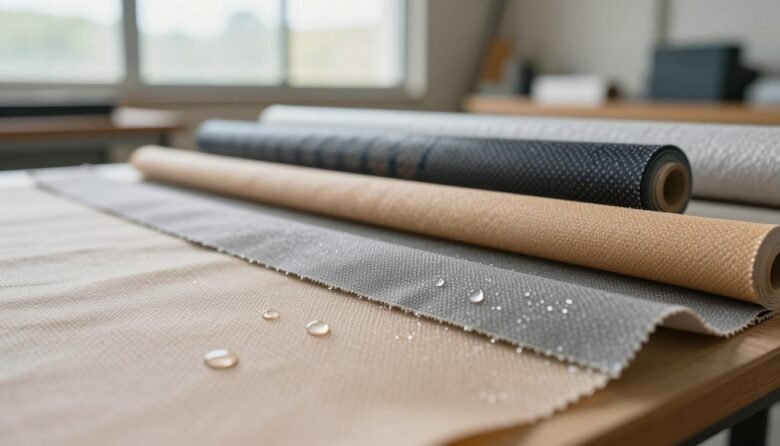
Today’s building codes, including updates in 2018 and 2021, push for tighter envelopes and mandatory blower door testing for new construction. That shift drives builders and homeowners to seek better air and moisture control in every home improvement and remodel.
Products like HydroGap SA housewrap and VaporDry SA underlayment use self-adhered backings to seal around fasteners. They act as air and moisture barriers while allowing vapor to pass, which helps conditioned attics avoid trapped moisture and mold.
Many homeowners are renovating instead of moving, so demand for high-performance insulation, spray foam, and premium siding is rising. Designers and builders now combine vapor-permeable systems with smart roof and wall design to meet codes and improve efficiency.
In short, modern materials and thoughtful systems let builders comply with stricter codes and protect roofs, attics, and walls against long-term decay while boosting comfort and curb appeal.
The Evolution of Modern Weatherproofing Trends
Across the U.S., construction practices are shifting toward integrated systems that combine insulation, air sealing, and roofing to protect homes and cut energy use.
Market demand rose after record rainfalls highlighted weak assemblies, says Antonia Chan of BASF, and contractors now choose higher-quality products. New building codes and R-30 wall targets push builders away from old batt methods and toward continuous thermal design.
- Upgrading insulation can save between 10% and 45% on energy costs, so homeowners invest more in retrofit work.
- Spray foam is popular, but it must be part of a system approach to manage drying and moisture in attics and walls.
- Contractors balance durability and efficiency to meet stricter codes and tougher climate risks today.
- Rising demand for premium materials means the market now favors long-term quality over short-term fixes.
Advanced Materials for Superior Thermal Performance
Advances in thermal materials give builders better tools to protect living spaces from heat and moisture. Choosing the right solution improves comfort, lowers energy use, and helps meet modern codes.
Mineral Wool Insulation
Mineral wool is made from stone, rock, glass, and silica. It resists fire—stone wool tolerates up to 1800° F—and sheds water while allowing walls to dry.
Panels have real-world proof: the Museum of the Moving Image used mineral wool panels that stayed intact after three seasons outside. Mineral wool also supports continuous insulation strategies that cut thermal leaks and limit moisture intrusion.
Silica Aerogel Technology
Silica aerogel is among the lightest solids on Earth, often more than 97% air. It delivers R‑values of at least 10 per inch, making it ideal where space is tight but high performance is needed.
Spray Foam Applications
Closed-cell spray foam is dense and works as a vapor barrier. It helps prevent moisture damage and mold by sealing cracks and hard-to-reach voids in exterior walls and roof interfaces.
Used with continuous insulation and good detailing, foam products boost indoor air quality and long-term durability for modern homes.
- Mineral wool: fire resistance and water-repellent properties for building walls.
- Silica aerogel: extreme R-value in thin applications.
- Closed-cell foam: moisture control, air sealing, and improved indoor air quality.
Strategic Approaches to Moisture and Air Resistance
Moisture resistance starts with a clear plan that combines breathable layers and durable exterior protection. A good approach protects the building envelope while letting assemblies dry, which reduces risk to the home.
The Role of Vapor Permeable Barriers
Vapor permeable barriers block liquid water but allow vapor to pass. This helps prevent trapped moisture that can cause mold and harm indoor air quality.
- Use high-quality products and coatings. BASF’s ACRONAL® 4160 enables membranes to resist hydrostatic pressure and improves long-term resistance.
- Contractors should pair vapor-permeable layers with advanced insulation and polymer-modified asphaltic coatings for below-grade work.
- Design systems with attic ventilation and mechanical ventilation to protect air and control moisture across walls and attics.
- Apply cementitious waterproofing where concrete needs a strong, flexible bond—an effective example for foundations and tile backer work.
When the industry adopts integrated systems, builders cut costly water damage and protect indoor air. That focus raises quality across construction and helps living spaces stay dry and energy efficient.
Conclusion: Building for a More Resilient Future
Durable materials and smart detailing help builders deliver homes that stay dry, efficient, and comfortable through changing climates.
Prioritize high-quality insulation, spray foam, and roofing products to reduce energy use and limit moisture risk in each home.
Homeowners and builders who choose integrated solutions and modern materials create buildings that last longer and perform better over time.
Investing in these products today supports energy efficiency, improves indoor air, and makes homes more resilient for future occupants.

Ava Harrington is a home improvement writer and DIY enthusiast with over eight years of hands-on experience maintaining, renovating, and documenting residential properties across the United States. She writes practical, no-fluff guides on home care, preventive maintenance, and everyday repairs — helping homeowners protect their properties without overspending or overcompleting.