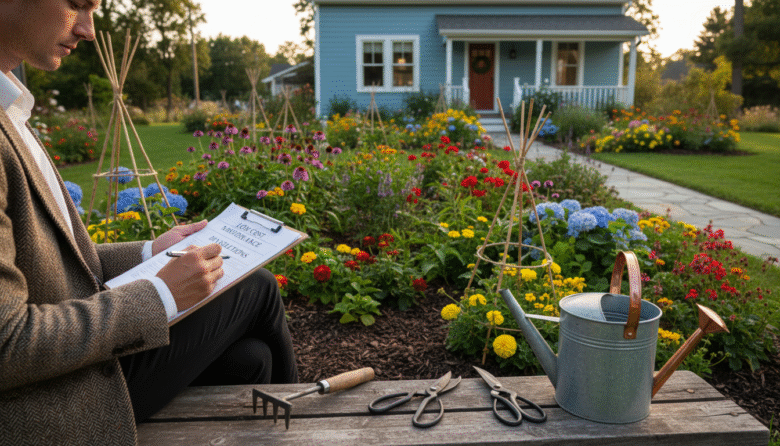
Owning a home or rental property requires consistent attention. Small issues can quickly turn into major problems if ignored. Many property owners face unexpected breakdowns and rising repair bills because they wait to address problems.
Experts recommend setting aside 1%-4% of your property’s value each year for upkeep. This budgeting approach helps you stay ahead of potential issues. A well-cared-for property keeps tenants satisfied and protects your investment value.
This guide shows you how simple strategies can prevent expensive fixes. You’ll learn practical approaches that save both time and money. These methods work for any property owner, regardless of experience level.
Key Takeaways
- Regular attention prevents small issues from becoming major repairs
- Budget 1%-4% of property value annually for upkeep costs
- Proactive care maintains tenant satisfaction and protects investment
- Simple strategies can significantly reduce emergency repair expenses
- Early intervention saves money compared to reactive fixes
- Practical approaches work for owners with any experience level
- Proper maintenance extends the life of your property components
Understanding the Value of Preventive Maintenance for Property Savings
Smart property management begins with recognizing how small actions create significant financial advantages. Addressing minor concerns before they grow protects your investment and reduces unexpected expenses.
Why Early Fixes Save Money
Minor issues often develop into major repairs when ignored. A small leak can lead to extensive water damage. Regular checks help you catch problems early.
This approach saves substantial money compared to emergency fixes. You avoid paying premium rates for urgent service calls. The time investment is minimal but the financial return is significant.
Long-Term Benefits of Routine Checks
Consistent property care builds compounding savings over years. Systems last longer when properly maintained. Energy efficiency improves with regular attention.
This strategy preserves your property’s value and prevents catastrophic failures. Tenant satisfaction increases when issues get resolved promptly. The psychological benefits include reduced stress and predictable budgeting.
For example, cleaning gutters seasonally prevents water damage to foundations. Testing smoke alarms monthly ensures safety without costly emergencies. These simple tasks demonstrate how routine maintenance creates lasting value.
Creating a Maintenance Schedule for Your Home
Systematic planning turns home upkeep from overwhelming to manageable through proper organization. Dividing responsibilities by frequency creates a sustainable approach that protects your investment.
Weekly and Monthly Task Planning
Weekly activities focus on quick checks that prevent major issues. Look for leaks under sinks and around appliances. Test lighting throughout the house and clear outdoor debris.
Monthly tasks maintain your home’s systems and safety. Inspect gutters for blockages that could cause water damage. Test smoke and carbon monoxide alarms to ensure they function properly. Clean HVAC filters monthly for better air quality and efficiency.
Seasonal Checklists for Optimal Care
Seasonal planning addresses weather-specific needs throughout the year. Summer requires AC system servicing before peak heat arrives. Winter demands pipe protection to prevent freezing damage.
Spring is ideal for roof inspections after winter storms. Fall focuses on sealing gaps before colder weather sets in. This seasonal rhythm keeps your property in optimal condition.
A structured schedule transforms random efforts into reliable protection. Documentation helps track completed tasks and identify patterns over months. This systematic approach ensures comprehensive coverage without feeling burdensome.
Essential Low-Cost Preventive Maintenance Hacks
Many common household troubles have straightforward fixes that require minimal tools and basic know-how. Learning these simple ways to handle minor issues protects your home from bigger problems.
DIY Solutions for Everyday Repairs
You can confidently tackle many frequent concerns. Fixing a loose doorknob often just needs a screwdriver. Unclogging a sink drain can be done with a plunger or a simple mixture.
Tightening cabinet hinges and sealing small gaps around windows are other effective repair tasks. These actions stop drafts and moisture from causing harm. Online video tutorials offer excellent guidance for these basic jobs.
Simple Steps to Avoid Costly Emergencies
Resident habits play a huge role in preventing damage. Keeping drains clear of hair and avoiding flushing wipes are key steps. Always turn off taps completely to prevent slow, wasteful leaks.
Reporting a small drip immediately can stop major water problems. Using cutting boards protects countertops. These smart habits create layers of protection for your property.
Mastering these fundamental hacks builds your skills. You will feel more capable and save money on service calls. This knowledge forms a strong foundation for managing your home effectively.
DIY Repairs: Empowering Homeowners with Simple Fixes
Building basic DIY skills opens up a world of self-sufficiency for any homeowner. You don’t need professional training to handle common household issues. Simple techniques can solve many problems that would otherwise require expensive service calls.
This approach transforms your relationship with your property. You gain control over minor issues instead of waiting for help. The confidence grows with each successful project you complete.
Building Your Own Repair Toolkit
A well-stocked toolkit is essential for effective DIY work. Start with these fundamental items:
- Screwdrivers in various sizes and types
- Pliers and an adjustable wrench
- Hammer and measuring tape
- Caulk, sealant, and plumbing tape
- Sandpaper, putty, and paint supplies
- Spare bulbs, batteries, and multi-purpose adhesive
Quality tools provide long-term value for your home. They enable immediate responses to emerging issues. This prevents small problems from becoming major concerns.
Self-sufficiency in simple repairs significantly reduces recurring service costs. You save money while extending the life of your home systems. Each successful DIY project builds confidence for tackling more complex tasks.
This empowerment transforms property ownership into an active partnership. You develop skills that serve you for years. The investment in tools and knowledge pays continuous dividends.
Smart Shopping: Affordable Supplies and Bulk Buying Strategies
Mastering the art of smart procurement allows property owners to build inventory while maximizing their budget efficiency. Strategic purchasing transforms routine property care into a cost-effective system.
Comparing Quality and Price for Long-Term Savings
Bulk purchasing delivers significant savings on frequently used items. Light bulbs, batteries, and air filters cost less per unit when bought in larger quantities.
This approach saves money over time while ensuring you always have supplies available. Quality assessment is crucial for durable products that last longer.
Seasonal timing offers another smart way to save money. Lawn equipment costs less after summer ends. Winter supplies become affordable during spring clearance sales.
Online price comparison provides excellent savings opportunities. Reading product reviews helps identify items that offer the best value. Hardware store loyalty programs deliver additional discounts.
For example, higher-quality paint may cost more initially but prevents frequent repainting. This represents true long-term savings through reduced replacement needs.
Strategic purchasing multiplies your budget effectiveness while building essential inventory. These tips help property owners make informed decisions that balance immediate cost with lasting value.
Leveraging Technology to Streamline Maintenance Tasks
Today’s technological advancements provide property managers with unprecedented control over maintenance operations. Digital tools transform chaotic repair schedules into organized systems.
Using Property Management Software
Comprehensive software platforms centralize all property management tasks. They track work orders and schedule inspections automatically.
These systems store rental agreements and process payments efficiently. Tenant requests get organized in one accessible location. This creates a complete digital history of all property activities.
Smart Home Tools for Early Issue Detection
Smart devices offer proactive monitoring for potential problems. Leak detectors alert you before water damage occurs. Smart thermostats optimize energy usage and reduce costs.
Automated lighting systems cut power consumption significantly. Smart locks eliminate key replacement issues. These tools provide early warnings that prevent major repairs.
Technology investments generate substantial returns through saved time and prevented emergencies. Multi-unit managers benefit from channel systems that sync availability across platforms.
Harnessing Community and Vendor Connections for Repair Savings
Collaborative approaches to property care often yield better results than individual efforts alone. Your network of contacts can become a powerful resource for managing your property effectively.
Building relationships with local professionals and neighboring owners creates a support system. This network provides access to shared knowledge and collective bargaining power.
Networking with Local Service Providers
Joining local property management groups offers immediate benefits. You gain access to trusted vendor recommendations and shared contact lists.
Connecting with nearby property owners enables cost-sharing opportunities. Neighbors can split expenses for shared services like tree trimming or pest control.
Skill exchanges eliminate the need for paid services in certain areas. Long-term vendor relationships build trust and secure better pricing. Emergency situations receive priority attention from familiar providers.
Strategic partnerships with reliable companies ensure consistent quality. These connections transform property ownership into a collaborative endeavor.
Seasonal Maintenance Hacks for Every Time of Year
Each season brings unique challenges that require specific attention to keep your home functioning optimally. Weather changes demand different approaches to property care throughout the year.
Spring and Summer Preparation Tips
Warmer months focus on recovering from winter and preparing for heat. Clear gutters after storms and check your roof for cold weather damage. Wash windows and screens to improve natural lighting.
Service air conditioning systems before summer heat arrives. Trim plants near walls and inspect for heat-induced cracks. Pressure wash driveways and touch up faded outdoor paint.
Fall and Winter Protection Strategies
Cooler seasons require preparation for freezing temperatures. Clean leaf-filled gutters and seal windows to prevent heat loss. Store outdoor furniture and schedule furnace checks.
Winter demands pipe insulation and snow removal from roof edges. Maintain consistent heating and check attics for moisture. Use weather seals to stop drafts and protect against cold damage.
This seasonal approach creates a natural cycle that prepares your home for changing conditions. Each season’s efforts build protection for the next phase.
Targeted Room-by-Room Maintenance Strategies
Each area of your property experiences distinct wear patterns requiring tailored solutions. High-moisture zones like bathrooms need different approaches than kitchen workspaces. Understanding these differences helps you address specific challenges effectively.
Kitchen and Bathroom Specific Hacks
Bathrooms benefit from simple solutions using common household items. Lemon juice removes water spots from chrome fixtures. Vinegar soaks dissolve mineral buildup on shower heads.
For kitchen care, pull refrigerators out periodically for proper air circulation. Clean coffee makers with vinegar to prevent scale accumulation. These methods keep appliances running smoothly.
Flooring, Windows, and Appliance Care
Floor maintenance starts with entryway boot trays to reduce dirt tracking. Use baby powder in floor cracks to eliminate squeaks. Walnut oil can heal minor scratches on wood surfaces.
Window and appliance care involves regular cleaning with appropriate products. Keep gutters clear to prevent water damage to surrounding areas. These targeted approaches extend the life of your home components.
Room-specific strategies create comprehensive protection throughout your living spaces. They address each area’s unique vulnerabilities with practical solutions.
Insulation and Energy Efficiency Maintenance Tips
Improving your home’s thermal envelope delivers immediate comfort benefits and long-term financial savings. Proper insulation keeps your living spaces comfortable while reducing utility expenses throughout the year.
Start by addressing hidden energy loss points throughout your house. Electrical outlets and switches on exterior walls often leak significant amounts of heated air. Foam insulation pads installed behind outlet covers create effective barriers.
Draft-Proofing and Weatherstripping
Sealing gaps around doors and windows represents one of the most effective improvements. Apply weatherstripping tape to stop drafts from entering your home. Caulk any visible cracks where different building materials meet.
For temporary solutions during extreme winter conditions, rolled towels block drafts under doors. More permanent options include pool noodles cut to fit door bottoms. These simple barriers prevent cold air infiltration.
Garage door insulation kits make adjacent rooms more comfortable. They reduce noise transmission while improving temperature control. This comprehensive approach addresses multiple energy loss points simultaneously.
Understand insulation effectiveness through R-value measurements. Higher numbers indicate better resistance to heat flow through walls and attic spaces. Proper attic insulation prevents warm air from escaping during heating season.
Programmable thermostats automate temperature adjustments based on your schedule. Set them once for seasonal changes rather than manual daily adjustments. Water heater blankets provide additional insulation for tank-based systems.
Window insulation film creates transparent barriers that reduce heat transfer. These films are particularly valuable during winter months when energy loss peaks. Each improvement contributes to overall home efficiency and comfort.
Establishing a Comprehensive Workflow for Property Care
Workflow organization elevates property management from crisis response to strategic planning. A clear system turns random tasks into measurable improvement processes that protect your investment.
This approach ensures every repair receives proper attention from discovery to completion. You gain control over operations instead of reacting to emergencies.
Tracking Repairs and Documenting Work Orders
A simple workflow contains five essential components. These steps create consistency across all property tasks.
Start with task identification during regular inspections. Then assign responsibilities clearly to appropriate technicians. Schedule work strategically to minimize disruption.
Execution follows with proper tools and materials. Finally, document everything for future reference. This complete cycle prevents repeated mistakes.
For example, discovering a leak becomes a formal work order. The system tracks technician progress and stores repair details. This documentation reveals patterns in recurring issues.
Implementing a Consistent Budget-Based Approach
Divide your property care budget into three categories. This structure ensures financial preparedness for all scenarios.
- Routine cleaning and supply expenses (30%)
- Preventive repair and replacement costs (40%)
- Emergency reserve fund (30%)
Technology like Field Promax streamlines this process. The software allows one-click scheduling and digital work orders. Real-time tracking keeps everyone informed.
Systematic workflow and budget discipline create predictable operations. This professional approach is accessible to all property owners through simple systems.
Final Thoughts on Protecting Your Home’s Value
Protecting your home’s worth requires consistent, simple actions rather than complex solutions. The five core strategies we’ve covered create a powerful framework for preserving your property’s condition.
Regular inspections catch small issues before they become major repairs. DIY approaches build confidence while saving money. Smart purchasing stretches your budget further.
Technology tools like Field Promax streamline task management efficiently. Community connections provide valuable support and shared knowledge.
These practical tips work together to extend your home’s life and maintain its value. Seasonal attention and proper care prevent deterioration over time.
Remember that protecting your investment doesn’t require expensive interventions. Consistent attention through these accessible methods delivers lasting results. Your property’s long-term value depends on the care you provide today.

Ava Harrington is a home improvement writer and DIY enthusiast with over eight years of hands-on experience maintaining, renovating, and documenting residential properties across the United States. She writes practical, no-fluff guides on home care, preventive maintenance, and everyday repairs — helping homeowners protect their properties without overspending or overcompleting.