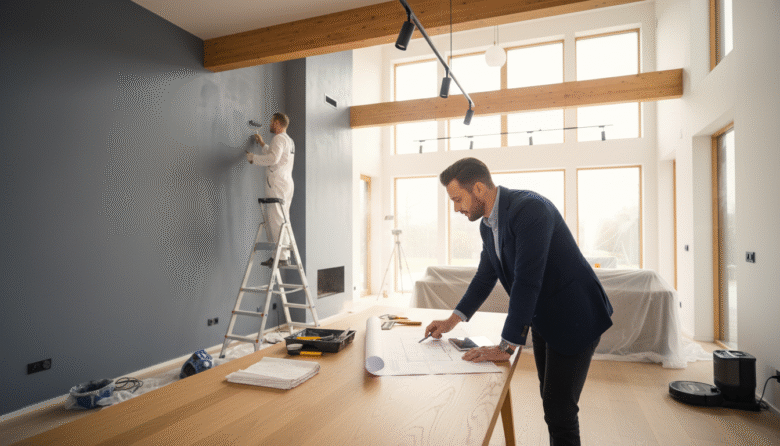
Home reliability doesn’t mean perfection. It means your systems work consistently, without sudden failures that damage property, disrupt your life, or drain your emergency fund. A reliable home is one where the furnace doesn’t quit on the coldest night of the year, the roof doesn’t develop a leak during a rainstorm, and the electrical panel doesn’t trip a breaker every time someone runs the microwave and the AC simultaneously.
Getting there isn’t about expensive upgrades. It’s about knowing your systems, understanding their warning signs, and performing the right maintenance at the right intervals. This guide walks through every major home system — HVAC, plumbing, electrical, roof, and foundation — and tells you exactly what to monitor, what to do, and when to call for help.
HVAC Reliability
Your heating and cooling system is the most actively used mechanical system in the house. It runs thousands of hours per year and is responsible for comfort, air quality, and a significant portion of your energy bill. Most HVAC failures are preventable with basic maintenance.
Expected Lifespan
- Central air conditioner: 15–20 years
- Gas furnace: 20–30 years
- Heat pump: 15–20 years
- Ductwork: 20–25 years before significant leakage develops
Annual Tune-Up Checklist
Have an HVAC technician perform a full tune-up once a year — typically in spring for AC, fall for furnace. A professional tune-up runs $75–$150 and covers:
- Coil cleaning (evaporator and condenser) — dirty coils reduce efficiency by 20–30%
- Refrigerant level check and leak test
- Blower motor inspection and lubrication
- Igniter and heat exchanger inspection (gas furnaces)
- Thermostat calibration
- Duct inspection for obvious leaks at accessible joints
Filter Schedule
1-inch flat filters: replace every 60–90 days. 4-inch media filters (the thicker pleated ones in a side-load cabinet): replace every 6–12 months. If you have pets or allergies, shorten these intervals by 30%. A clogged filter forces the blower motor to work harder, reduces airflow, and can cause the heat exchanger to overheat — which is a safety issue, not just an efficiency one.
Signs Your HVAC Is Failing Before It Fails
- Short cycling: The system turns on and off every few minutes without reaching the set temperature. This indicates a failing compressor, refrigerant issue, or oversized system.
- Increased energy bills: A 15–20% spike in your cooling or heating bill without a usage change suggests declining efficiency. Compare year-over-year, same month.
- Unusual sounds: Grinding indicates bearing wear. Squealing suggests belt problems (older systems) or motor issues. Clicking on startup that doesn’t resolve is often an igniter problem.
- Uneven temperatures: Hot or cold spots that weren’t there before can indicate duct leakage or failing zone controls.
- Ice on the outdoor unit or refrigerant lines: This signals low refrigerant or airflow restriction. Turn the system off and call a technician before continuing to run it.
Plumbing Reliability
Plumbing failures rank among the most costly home incidents. A burst pipe or slow leak inside a wall can cause tens of thousands of dollars in water damage before it’s detected. The goal is to know what you have, where it is, and what it’s telling you.
Pipe Material Lifespans
- Copper: 50–70 years. Still the most reliable long-term material. Watch for pinhole leaks in very old copper in areas with acidic water.
- PVC (drain/waste/vent): 25–40 years for older formulations; modern PVC lasts indefinitely in most conditions.
- PEX: 25–50 years; relatively new but proven track record since the 1990s in the US.
- Galvanized steel: 20–50 years, with significant internal corrosion in the later decades. Reduced flow and brown water are the symptoms.
- Polybutylene (gray plastic, used 1978–1995): This material was recalled and is known to fail unexpectedly. If your home has polybutylene supply pipes, replacement is not optional — it’s when, not if.
Signs of Failing Pipes
- Discolored water (brown, rust-colored): galvanized pipe corrosion
- Low water pressure at multiple fixtures simultaneously: possible pipe corrosion buildup or a main line issue
- Unexplained wet spots on ceilings, walls, or under sinks
- Water meter movement when all fixtures are off: indicates a hidden leak (turn off all fixtures, check the meter for movement over 10 minutes)
- Unusually high water bill without explanation
Water Pressure Monitoring
Healthy residential water pressure is 40–80 PSI. You can test yours with a pressure gauge that threads onto any hose bib — they cost about $10 at a hardware store. Pressure above 80 PSI stresses appliance valves, washing machine hoses, and pipe joints. A pressure-reducing valve (PRV), installed on the main line, regulates high-pressure municipal supply. If your home doesn’t have one and your pressure tests above 80 PSI, installing a PRV ($150–$300 for the valve plus labor) is a meaningful reliability investment.
Shutoff Valve Location and Testing
Every adult in your household should know where the main water shutoff is. In most homes it’s at the point where the main line enters the house — basement, utility room, or crawl space. There may also be a shutoff near the street (the municipal curb stop, operated with a special tool).
Test your main shutoff valve annually: turn it off completely, open a faucet to verify flow stops, then turn it back on slowly. Gate valves (older, wheel-shaped handle) should be exercised periodically or they seize from disuse. Ball valves (quarter-turn lever) are more reliable. If your shutoff is a gate valve that’s stiff or won’t fully seat, replace it with a ball valve — this is a job a plumber can do in 30–60 minutes.
Electrical Reliability
Electrical failures have two categories of consequences: inconvenience (a tripped breaker) and danger (fire or shock). Most homeowners can handle monitoring and basic testing. Anything involving the panel internals, new circuits, or wiring changes requires a licensed electrician.
Breaker Panel Inspection Basics
Open your panel door and look for:
- Double-tapped breakers: Two wires connected to a single breaker terminal (visible with the door open). This is a code violation in most circumstances and a fire risk.
- Burn marks or discoloration: Any scorching around a breaker or bus bar is an emergency — call an electrician immediately.
- Breakers that feel loose or won’t reset firmly: Faulty breakers that don’t trip properly fail at their primary safety function.
- Panel brand: Federal Pacific Electric (Stab-Lok) and Zinsco panels have documented safety failures and are no longer code-compliant in many jurisdictions. If you have either, consult an electrician about replacement. Panel replacement runs $1,500–$4,000 depending on service size and local labor rates.
GFCI Testing
GFCI (Ground Fault Circuit Interrupter) outlets are required in bathrooms, kitchen countertop areas, garages, exterior outlets, unfinished basements, and any area near water. Test each GFCI outlet monthly by pressing the TEST button — the outlet should lose power. Press RESET to restore it. A GFCI that doesn’t trip when tested has failed and should be replaced. A replacement GFCI outlet costs $15–$25 and takes about 15 minutes to swap out.
Signs of Outdated or Problematic Wiring
- Two-prong outlets throughout the house: Indicates ungrounded wiring, common in homes built before the late 1960s. These are a safety issue and limit what you can safely plug in.
- Aluminum wiring: Used in some homes built 1965–1973 as a cost-saving measure. Aluminum expands and contracts more than copper, loosening connections over time. It requires specific aluminum-rated devices and connectors. A licensed electrician can assess whether your aluminum wiring is properly maintained.
- Flickering lights when appliances run: Can indicate an undersized circuit, loose connection, or a service entrance issue.
- Frequently tripping breakers on the same circuit: Either the circuit is overloaded (too many devices) or there’s a fault in a device or the wiring. Don’t just keep resetting — investigate.
As a rule: if you’re unsure about anything electrical, call a licensed electrician. The inspection cost is $100–$200 and it either confirms everything is fine or identifies a real hazard. Both outcomes are valuable.
Roof Reliability
Your roof is the first line of defense for everything inside the house. A failing roof doesn’t announce itself until water is already inside — by which point drywall, insulation, and framing may already be damaged.
Expected Lifespan by Material
- 3-tab asphalt shingles: 15–20 years
- Architectural (dimensional) asphalt shingles: 25–30 years
- Metal roofing (standing seam): 40–70 years
- Clay or concrete tile: 40–50 years
- Wood shakes: 20–25 years with maintenance
- Flat EPDM or TPO membrane: 20–30 years
Annual Self-Inspection From the Ground
You don’t need to get on the roof for an annual check. Use binoculars from the ground and look for:
- Missing or visibly lifted shingles
- Shingles with dark streaks or extensive granule loss (the surface looks smooth or shiny in patches)
- Sagging anywhere in the roofline — this indicates structural deck damage, not just surface shingle issues
- Visible daylight around chimney flashing or pipe boots
- Gutters filled with granules — excessive granule loss means the shingles are near end of life
When Flashing Fails
Flashing — the metal strips that seal transitions between the roof and vertical surfaces (chimney, dormer walls, valleys) — is responsible for a disproportionate number of roof leaks. It can corrode, pull away from sealant, or be improperly installed in the first place. Look for rust streaking on siding below a roofline transition, water stains on the ceiling near a chimney or exterior wall, and any visible gaps between metal flashing and the adjacent surface. Flashing repairs are generally much cheaper than full roof replacements — a roofing contractor can re-flash a chimney for $300–$600.
Foundation Reliability
Foundation problems are the most feared home issue — and often the most misunderstood. Not all cracks are created equal, and the difference between a cosmetic crack and a structural one is something every homeowner should understand.
Normal vs. Alarming Cracks
- Hairline cracks (less than 1/16 inch wide): Extremely common in concrete block and poured concrete foundations. These form as concrete cures and settles. Monitor them, but they’re generally not structural.
- Horizontal cracks in block or poured walls: These are serious. Horizontal cracking in a basement wall indicates lateral pressure from soil — the wall is bowing inward. This requires professional evaluation immediately.
- Stair-step cracks in block walls: Follow the mortar joints in a diagonal pattern. These indicate differential settlement — one part of the foundation is moving relative to another. Warrants professional evaluation.
- Vertical cracks wider than 1/4 inch: Large vertical cracks that are widening over time indicate ongoing movement. Mark the ends of the crack with pencil and date it; if the mark grows over 60 days, that’s active movement requiring attention.
Moisture Management Around the Foundation
The vast majority of wet basement problems are caused by poor drainage around the foundation — not a failing foundation itself. Fix the drainage, you fix the water. Specific checks:
- Grading: Soil should slope away from your foundation at a rate of at least 6 inches of drop over the first 10 horizontal feet. Use a long level and a tape measure to check. Re-grade with fill dirt if the slope is toward the house.
- Downspout extensions: Downspouts should discharge at least 4–6 feet from the foundation. Splash blocks help, but they’re often not far enough. Flexible downspout extenders are $5–$15 and take five minutes to install.
- Window well drainage: Basement windows below grade should have wells with gravel at the bottom to allow water to drain. If the well fills with water during rain, clear the drain hole or add gravel.
Building a Home Reliability Log
The reliability log is a simple tracking document that shows when each system was last serviced and when it’s next due. Without it, you’re guessing. With it, you’re managing.
Create a spreadsheet or document with the following columns for each major system:
- System: HVAC, Plumbing, Electrical, Roof, Foundation, Water Heater, etc.
- Installation or Replacement Date: When was it installed or last replaced?
- Expected Lifespan: Based on the material and manufacturer guidance
- Last Service Date: When was it last professionally serviced or inspected?
- What Was Done: Brief description of service (filter change, tune-up, flashing repair, etc.)
- Next Due Date: Calculated from the service interval
- Notes: Any observations from the last inspection, pending issues, or quotes received
Update this log every time you do maintenance or have a contractor visit. Review it in January of each year to identify what’s coming due in the next 12 months. This single document gives you more control over your home’s reliability than any amount of reactive repair spending.
A home reliability log takes about one hour to set up and 10 minutes to update after each service call. It is the single most useful document a homeowner can maintain.
Putting It All Together
Home reliability is built system by system, year by year. You won’t achieve it in a single weekend project. But the path is straightforward: know what you have, track when it was last serviced, watch for the specific warning signs that precede failure, and address small issues before they compound into large ones.
Start today by identifying the one system in your home you know the least about. Find out how old it is. Look up its expected lifespan. Schedule the maintenance it’s overdue for. Then add it to your reliability log. Repeat that for each system over the next few months. By the end of the year, you’ll have a complete picture of your home’s reliability profile — and a clear plan for maintaining it.

Ava Harrington is a home improvement writer and DIY enthusiast with over eight years of hands-on experience maintaining, renovating, and documenting residential properties across the United States. She writes practical, no-fluff guides on home care, preventive maintenance, and everyday repairs — helping homeowners protect their properties without overspending or overcompleting.