Caring for your property proactively is a smart financial strategy. A recent study found that 45% of Americans delay fixing minor issues. This neglect often allows small problems to grow into major, expensive damage.
Regular upkeep is an investment that pays off. It helps you avoid sudden, costly emergency repairs. This consistent care can also preserve up to 10% of your residence’s total market value.
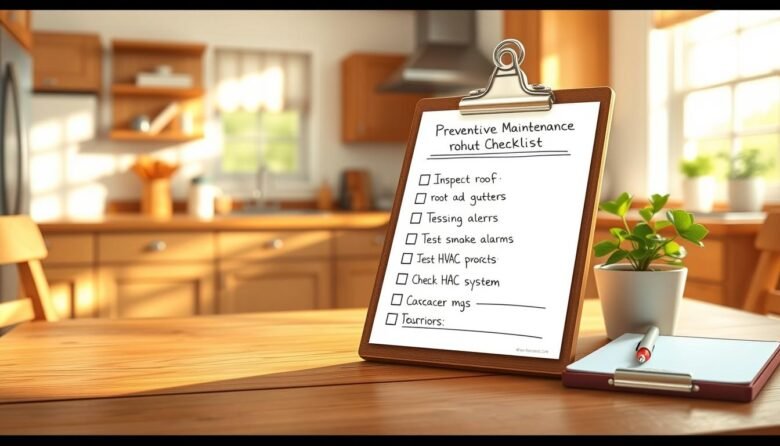
A systematic approach makes everything easier. Using a detailed checklist is the best way to organize all necessary tasks. This tool helps you remember what needs attention and when, turning care into a simple routine.
This consistent attention covers all critical systems, from your HVAC to the roof. The goal is to promote safety, improve efficiency, and secure significant long-term savings. This guide will show you how a planned routine protects your biggest asset.
Key Takeaways
- Proactive care stops small issues from becoming major, expensive repairs.
- Nearly half of homeowners put off repairs, which often increases the final cost.
- Regular upkeep is a financial investment that preserves your property’s value.
- A structured checklist is the most effective way to organize and remember tasks.
- Adopting a consistent routine leads to substantial savings over time.
- This approach enhances safety and efficiency throughout your house.
Why Preventive Home Maintenance is a Smart Financial Strategy
Building equity involves more than mortgage payments. It requires diligent stewardship of your property.
A strategic care routine is a powerful financial tool. It protects your investment from costly surprises.
Ignoring small issues saves cash in the short term. This approach, however, leads to major expenses later. A clogged gutter can cause severe water damage inside your walls.
Chipped exterior paint often leads to expensive wood rot. A dirty furnace filter shortens the entire system’s life. Addressing these items early minimizes risk and cost.
The core principle is “pay a little now or pay much more later.” Fixing a minor pipe leak costs very little. Repairing the subsequent ceiling and floor damage is a major project.
Regular upkeep extends the life of critical systems and appliances. This reduces how often you need to replace them. Your water heater, HVAC, and roof will last for many more years.
Deferred upkeep can significantly lower your property’s market value. For example, visible foundation cracks can decrease value by up to 15%. Buyers see these flaws and adjust their offers accordingly.
Consistent care also improves energy efficiency. Clean filters and sealed ducts help your HVAC run smoothly. This lowers monthly utility bills, saving you money over time.
Insurance companies notice a well-kept house. You may qualify for better policy rates with fewer claims. A documented history of care shows you are a responsible owner.
There is immense peace of mind in knowing your house is in good shape. You avoid the stress and disruption of emergency repairs. Your daily life runs more smoothly.
Real estate agents confirm that maintenance records boost buyer confidence. A detailed log of completed tasks proves the residence was loved. This directly supports a higher resale price.
Every small task on your checklist contributes to this financial safety net. The following sections provide a clear way to organize these essential duties. Each action protects your money and your most valuable asset.
Essential Monthly Checks for Safety and Efficiency
Setting aside time each month for key inspections is a powerful habit that safeguards your family and finances. These regular reviews form a critical defense line for your property.
They focus on vital systems and safety gear. This routine helps you spot small concerns early. Addressing them promptly prevents costly emergencies.
Test Safety Devices: Smoke, Carbon Monoxide, and Fire Extinguishers
Your family’s safety depends on functional alarms. Test every smoke and carbon monoxide detector by pressing the “test” button. You should hear a loud, clear sound.
Replace batteries immediately if the alarm is weak or silent. A good practice is to change all batteries annually. Mark your calendar for this important task.
Check the expiration date on your fire extinguishers. Most need replacement every 10-12 years. Ensure the pressure gauge needle is in the green zone.
Make sure extinguishers are accessible and not blocked by furniture. Walk through your house and verify all doors and windows open easily. This is a key step for emergency escape routes.
Inspect Plumbing for Early Signs of Leaks or Damage
Water leaks cause severe structural damage over time. Look under all sinks for moisture, discoloration, or mold. Check around toilets and showers for cracked caulk.
Examine visible pipes for corrosion or mineral deposits. Feel for dampness on pipe connections. Listen for drips inside walls or cabinets.
Test shower and sink drains for slow drainage. Clear minor clogs with a plunger or drain snake. Monitor your water bill for unexplained spikes. A sudden increase often signals a hidden leak.
Inspect your water softener if you have one. Add salt if the level is low. Clear exterior downspouts to ensure water flows away from your foundation.
Check HVAC Filters and System Operation
Your heating and cooling system needs clean air to work well. Locate and check the air filter every month. Hold it up to a light.
Replace the filter if you cannot see light through it. A clean filter protects the HVAC unit and improves indoor air quality. It also helps lower your energy bills.
Turn your system on and listen for unusual noises. Feel the air coming from vents to ensure it’s strong. Change ceiling fan direction with the seasons for better efficiency.
Clean exhaust fan grilles in bathrooms and the kitchen. Vacuum dust from wall grilles and return air vents. A clean system runs smoother and lasts longer.
Document your findings in a simple log. Note any minor issues you find. Scheduling small repairs now avoids big problems later.
This monthly routine takes little time but offers huge peace of mind. It keeps your house safe, efficient, and in excellent condition.
Key Quarterly and Seasonal Preventive Home Maintenance Tips
The rhythm of the seasons provides a natural schedule for keeping your house in top shape. Organizing duties around spring, summer, fall, and winter tackles specific challenges each part of the year brings.
This approach breaks down essential care into manageable chunks. It ensures your property is always prepared for the weather ahead.
Aligning tasks with seasonal transitions is a powerful strategy. It protects your residence from rain, heat, cold, and growth-related issues.
Spring: Preparing for Rain and Growth
Spring care focuses on recovery from winter and preparation for showers. Start by clearing your roof of leaves, twigs, and moss. A pressure wash can remove built-up grime.
Next, tackle the gutters and downspouts. Remove all debris to ensure proper water flow away from your foundation. This is a critical step to avoid water damage inside walls.
Check the exterior caulking around windows, doors, and siding. Look for gaps or cracks that developed during colder months. Reseal any areas that are no longer watertight.
Inspect all windows and doors for smooth operation. Check screens for tears and repair them to keep pests out. Examine sills and thresholds for signs of rot or wear.
Turn your attention to the landscape. Trim shrubs and trees back from the structure. This prevents branch damage and improves air circulation.
Fill any cracks in your driveway or walkways with a concrete sealant. This stops water from seeping in and making problems worse over time.
Service your outdoor air conditioning unit. Clear away leaves and gently clean the fins. This simple cleaning helps the system run efficiently when summer heat arrives.
Fall: Battening Down the Hatches for Winter
Autumn is all about securing your property against coming cold. Begin with a thorough roof inspection. Look for missing, loose, or damaged shingles that could leak.
Check eaves, soffits, and gutters again. Ensure they are clear and firmly attached. This prevents ice dams from forming later.
Inspect your home’s siding for any damage. Wash it if needed to remove summer dirt. Touch up exterior paint on any bare spots to protect the wood.
Examine the caulking around windows and doors once more. Install or replace weather stripping to seal drafts. This improves energy efficiency and keeps heating costs down.
Prepare outdoor plumbing for freezing temperatures. Drain garden hoses and shut off exterior water valves. Insulate exposed pipes to prevent them from bursting.
Test your sump pump to ensure it’s ready for spring thaw or fall rains. Check your thermostat’s operation before you need to rely on your heating system.
Store patio furniture and garden equipment. Change the direction of your ceiling fans to clockwise. This pushes warm air down into the room.
Remember recurring quarterly tasks as well. Change air exchanger filters every few months. Inspect appliance cords for fraying and check dryer lint filters and ducts.
Look at the caulking around indoor sinks and tubs. Inspect your hot water heater for leaks or sediment buildup. A consistent schedule catches small issues before they become major repairs.
Following this seasonal framework keeps your property in excellent condition. It allows homeowners to address problems proactively, saving money and stress throughout the year.
Protecting Your Home’s Exterior and Structural Integrity
A property’s structural soundness and visual appeal start with a robust and well-kept exterior. This protective envelope shields everything inside from weather, pests, and time.
Focusing on these components stops small wear from becoming serious. Consistent attention preserves your residence’s value and prevents expensive structural work.
Roof and Gutter Care to Prevent Water Damage
Your roof is the first line of defense against rain and snow. Schedule a professional inspection at least once every year. Experts spot worn shingles, damaged flashings, and potential weak spots.
Clear leaves, twigs, and moss from the surface regularly. This debris holds moisture and accelerates deterioration. Spring is an ideal time for a thorough roof cleaning.
Gutters and downspouts direct water safely away from your foundation. Clean them twice a year, typically in spring and fall. Remove all obstructions to ensure proper water flow.
Clogged gutters cause overflow that damages siding and landscaping. Worse, pooled water can seep into walls or basements. Check that downspouts extend at least five feet from the house.
Trim tree branches hanging over the roof. This prevents physical damage and reduces leaf accumulation. It also discourages squirrels and other critters from accessing your attic.
Address any discovered issues immediately. Replace missing shingles and reseal flashings right away. Quick action prevents minor leaks from causing interior ceiling stains or mold.
Siding, Paint, and Foundation Inspection
The walls of your house need regular evaluation to stay sound. Inspect siding in the fall for cracks, holes, or loose panels. Power washing removes dirt, mildew, and pollen that can cause rot.
Examine all exterior caulking around windows and doors. Look for gaps that let in drafts or moisture. Reseal these areas to improve energy efficiency and block water.
Touch up exterior paint on any bare or peeling spots. Fresh paint protects wood from the elements and boosts curb appeal. It is a cost-effective way to fight wood rot.
Walk around your foundation looking for new cracks. Hairline fractures are common, but wider gaps need attention. Seal small cracks with appropriate masonry filler to keep water out.
Foundation issues can lead to major structural problems if ignored. Monitor any cracks for changes in size or direction. Consult a professional if you notice significant shifting or bulging.
Fill cracks in driveways and walkways with concrete sealant. This stops water from freezing and expanding, which makes cracks worse. It also improves safety and appearance.
Keep the ground around your foundation sloped away from the structure. This simple grading task helps direct surface water away. Ensure your yard drains properly, especially before winter.
Finally, check for signs of pests like insects or rodents. Look for nests, droppings, or entry holes near the foundation. Early detection makes control easier and prevents damage to wood and insulation.
Maintaining Critical Interior Systems
Reliable interior systems are the unseen backbone of daily convenience and safety in any residence. These mechanical components work silently to provide comfort, hot water, and clean air.
Guiding property owners through essential upkeep ensures everything functions properly. A dedicated routine for these core areas prevents disruptive failures.
This consistent attention also protects your financial investment. It reduces the likelihood of expensive emergency calls.
HVAC Professional Servicing and DIY Upkeep
Your heating and cooling system requires a two-part strategy for optimal performance. Simple do-it-yourself items form the first line of defense.
Replace the air filter every month during peak usage seasons. A clean filter protects the equipment and improves indoor air quality.
Check around the indoor unit for any debris or dust accumulation. Listen for unusual noises when the system starts and cycles.
Professional servicing twice a year is non-negotiable for long-term efficiency. A certified technician performs a comprehensive inspection and cleaning.
This visit typically includes checking refrigerant levels, testing electrical connections, and lubricating moving parts. These steps ensure the unit runs smoothly during extreme weather.
Regular professional care can reduce your energy bills significantly. A well-tuned system uses less power to heat or cool your space.
It also extends the equipment’s lifespan, delaying a costly full replacement. Always hire a qualified expert for complex electrical or refrigerant work.
Water Heater and Appliance Plumbing
Your water heater is a workhorse appliance that benefits from annual attention. Sediment builds up at the tank’s bottom over time.
Flushing the unit once a year removes this material. This process improves heating efficiency and prevents corrosion inside the tank.
Inspect the pressure relief valve and the exterior for any signs of moisture. A small leak can indicate a larger impending problem.
Appliance plumbing connections are common sources of hidden water damage. Examine the supply hoses behind your washing machine and refrigerator.
Look for bulges, cracks, or rust on the fittings. Replace any hose that shows wear, as a burst line can cause severe flooding.
Monitor your monthly water bill for unexplained increases. A steady rise in usage often points to a concealed leak in the plumbing system.
Addressing these issues early prevents major structural repairs. Simple detection saves thousands in potential restoration costs.
Also, clean your refrigerator’s condenser coils every six months. Dust buildup forces the compressor to work harder, raising electricity costs.
Run a cleaning cycle on your washing machine to remove residue and prevent odors. These small actions keep appliances running smoothly for years.
Maintaining these critical systems contributes directly to your property’s overall value. It demonstrates diligent care and reduces sudden repair expenses.
Appliance and Fixture Longevity
Extending the lifespan of kitchen and laundry equipment is achievable with simple, consistent routines. Your major appliances represent a significant financial investment. Regular attention keeps them running efficiently for many years.
This focused care prevents unexpected breakdowns. It also reduces energy consumption and avoids costly replacements. A little effort now protects your convenience and budget.
Kitchen: Refrigerator, Disposal, and Range Hood
Your kitchen appliances work hard every day. Start with the refrigerator. Clean the condenser coils at least twice a year.
Dust buildup on these coils makes the compressor work harder. This leads to higher electricity bills. Use a coil brush or vacuum cleaner for this task.
Replace the water filter every six months if your model has one. A fresh filter ensures clean drinking water. It also protects the ice maker from scale buildup.
Check the water supply line for any pinching or potential leaks. A small drip can cause major water damage over time. Address any moisture immediately.
Your garbage disposal needs monthly care. Avoid putting fibrous or starchy foods down the drain. To clean it and eliminate odors, use citrus peels or ice cubes.
Run cold water for a minute after each use. This helps flush debris through the pipes. It keeps the unit sharp and free of clogs.
Do not forget the range hood. Its filter traps grease and improves indoor air quality. A clogged filter reduces efficiency and can become a fire hazard.
Remove and clean metal filters monthly with hot, soapy water. For charcoal filters, replace them as the manufacturer recommends. This simple task keeps your kitchen air fresh.
Laundry: Dryer Vent and Washing Machine Care
Laundry appliances require specific attention for safety and performance. The dryer vent is a critical area. Lint accumulation here is a leading cause of house fires.
Inspect the lint filter after every load. Remove all fuzz and debris. Clean the filter itself with soap and water quarterly to remove film.
Check the entire dryer duct system at least once a year. Disconnect the flexible hose from the back of the machine. Use a vacuum attachment to clear the hose and the wall vent.
Ensure the exterior vent flap opens freely. A blocked vent makes your dryer work much harder. This increases wear and energy costs.
Your washing machine also needs regular cleaning. Run an empty hot cycle with a washing machine cleaner or vinegar once a month. This removes soap scum and prevents mold growth.
Inspect the supply hoses for bulges or cracks. Replace these hoses every five years to prevent sudden bursts. A small leak can flood your laundry room quickly.
Keep the area around both machines clean and dry. Verify they are level to reduce vibration. Check power cords for any fraying or damage.
Maintain your fire extinguisher in this area. Ensure the pressure gauge is in the green zone. Know how to use it in case of an emergency.
These straightforward tasks preserve your appliances. They enhance safety and improve efficiency throughout your house. Consistent care is the key to long-lasting performance.
Knowing When to Call a Professional
Your ability to identify serious warning signs is key to avoiding catastrophic and costly failures. A smart property care strategy involves knowing which tasks are within your skill set and which demand expert intervention.
Ask yourself a few simple questions before starting any project. Is the work related to your structure, electrical system, or major plumbing? Does it require specialized tools or access to confined spaces like a roof?
If you answer “yes” to these questions, hiring a professional is the safest and most financially sound path. This decision protects your family, your property, and your wallet from the high cost of a mistake.
Red Flags for Electrical, Plumbing, and Structural Work
Certain problems are clear indicators that you need a licensed expert. Electrical issues pose a significant fire and shock hazard. Dead outlets, frequent circuit breaker trips, and flickering lights are major red flags.
Any work involving your main service panel or outdated wiring should only be handled by a qualified electrician. The potential for dangerous and expensive consequences is simply too high.
For plumbing, some jobs go beyond a simple clog. A major leak, a persistently slow drain throughout the house, or a malfunctioning water heater requires a plumber. Problems with sewer lines or main water pipes are especially critical.
These experts have the tools and knowledge to diagnose and fix the issue correctly the first time. They prevent minor water trouble from causing extensive structural damage.
Structural concerns demand immediate professional assessment. New or widening cracks in your foundation are a primary warning sign. Any suspected damage to your roof or load-bearing walls falls into this category.
Large tree trimming near power lines or structures is another task for insured professionals. Attempting these repairs yourself can compromise your entire house’s safety and condition.
The Value of Professional Inspections and Scheduled Service
Proactive care isn’t just about fixing visible problems. Scheduled inspections by specialists can uncover hidden issues before they escalate. An annual HVAC service by a technician ensures your heating and cooling system runs efficiently.
It can identify minor wear that, if left alone, leads to a full system failure. A professional roof inspection every few years can spot worn shingles or compromised flashings you might miss from the ground.
Pest control experts can find early signs of infestation that are invisible to an untrained eye. When you do need a repair, always get multiple written quotes. This process helps you understand a fair price and scope of work.
Scheduling non-emergency repairs during off-peak seasons can sometimes save money. Many contractors offer lower rates in slower months.
Consider the convenience of subscription-based maintenance services for complex systems like HVAC or plumbing. These plans provide regular check-ups and often include priority service.
Investing in professional help for the right jobs saves a substantial amount of money over time. It ensures repairs are done safely and to code, protecting your property’s long-term value. This approach empowers you to make confident decisions about your biggest asset.
Implementing Your Personalized Home Maintenance Plan
The final step is to organize all this advice into a clear, custom schedule you can actually follow. Start by building a simple calendar or spreadsheet. Break down duties by month, season, and year.
This system makes large projects feel manageable. A visual checklist ensures you never forget critical tasks. It turns sporadic effort into a reliable routine.
Always document your completed work. Save receipts and service records in one folder. This proof of care is valuable for insurance claims and future resale.
Update your home inventory list annually as you acquire new items. Schedule professional inspections for your roof and HVAC in advance. Small, consistent actions prevent overwhelming repairs.
Your personalized plan is a direct investment in your property’s value and your own peace of mind. Begin today.

Ava Harrington is a home improvement writer and DIY enthusiast with over eight years of hands-on experience maintaining, renovating, and documenting residential properties across the United States. She writes practical, no-fluff guides on home care, preventive maintenance, and everyday repairs — helping homeowners protect their properties without overspending or overcompleting.