Your residence is likely your most valuable asset. Consistent, proactive habits are essential for safeguarding this investment. These actions do more than just prevent break-ins. They play a crucial role in preserving the structural integrity and value of your property over many years.
Minor, regular maintenance creates compounding benefits over time. This approach prevents costly damage from environmental factors and neglect. Effective security does not require massive investments. Layered, straightforward methods provide robust defense that any owner can implement immediately.
Protection and preservation work hand-in-hand. Security measures prevent intrusion-related harm. Maintenance routines address the natural wear-and-tear that occurs. This comprehensive approach contributes to both immediate safety and long-term durability.
We will explore practical, actionable steps drawn from expert guidance. These proven methods help create a safer, longer-lasting living environment for you and your family.
Key Takeaways
- Proactive habits safeguard your property and extend its lifespan.
- Small, consistent actions prevent major, costly damage over time.
- Effective security is achievable through layered, manageable methods.
- Protection and preservation are interconnected goals for any homeowner.
- Practical steps can be implemented immediately, regardless of budget.
- Expert guidance provides a foundation for a more durable residence.
Understanding Home Security Risks
Effective property security begins with a clear understanding of the threats that burglars pose to residential areas. Knowing the patterns and methods used by intruders helps you create targeted defenses.
Burglary Trends and Their Impact
According to FBI data, a burglary occurs every 16 seconds across the United States. Over 90% of these incidents happen when properties are unoccupied. This timing reveals a critical vulnerability window.
There are two primary types of burglars operating today. Amateur criminals typically test doors and windows seeking easy entry. Professional intruder’s conduct surveillance to identify patterns before striking.
Properties without security systems face three times greater risk of break-ins compared to protected residences. This statistic demonstrates the powerful deterrent effect of visible security measures.
Nearly two-thirds of burglaries involve forced entry through weak points. Common targets include inadequate door locks and poorly installed mounting hardware.
Identifying Vulnerable Areas Around Your Home
Conducting a thorough assessment of your property reveals critical weak spots. Burglars systematically evaluate potential entry points during their planning phase.
Key areas requiring attention include:
- Exterior doors and their locking mechanisms
- Ground-floor windows and sliding glass doors
- Garage access points and basement entries
- Landscaping that provides concealment
Intruders also look for signs of absence like piled mail or dark evenings. Addressing these visual cues reduces your property’s appeal as a target. Understanding these risks enables you to prioritize security investments effectively.
Simple Home Protection Strategies
The most reliable security approach combines consistent habits with smart, affordable technology choices. This layered method creates a robust defense without overwhelming complexity or cost.
Proactive Measures for Everyday Safety
Integrate these routines into your daily life for enhanced safety. Always check that all entry points are locked before retiring for the evening.
Vary your interior and exterior lighting patterns to create an appearance of activity. Maintain clear sightlines from the street by trimming shrubs. Staying aware of unusual activity around your neighborhood is also a powerful deterrent.
Evaluating Cost-Effective Security Options
For many, a monitored alarm system is a core component of their security plan. On average, equipment costs range from $100 to $1,200, with monthly monitoring around $35.
Approximately 1.8 million electronic security systems are installed in U.S. residences annually. Choose a system with a separate control panel and keypad for better tamper resistance.
Not every house requires a full system. Many effective ways to improve security cost little but deliver significant risk reduction when applied consistently.
Enhancing Entry Point Defenses
Entry point reinforcement transforms vulnerable access areas into formidable security barriers. Nearly two-thirds of break-ins occur through forced entry targeting weak locks and hardware. Focusing on doors and windows creates significant obstacles that deter potential intruders.
Reinforcing Doors with Deadbolts and Strike Plates
Start with your exterior doors. Replace standard strike plates with heavy-duty versions for about $10. This small upgrade prevents door jambs from splintering under force.
Use 3-inch screws instead of short mounting screws. These longer screws penetrate through the door frame into wall studs. This creates a much stronger anchor point that resists kick-in attempts.
Install high-quality deadbolts with a one-inch throw. Ensure the bolt fully extends into the reinforced strike plate. Always use a peephole before opening your front door to verify visitors.
Upgrading Windows and Sliding Glass Doors
Regular glass breaks easily upon impact. Laminated or double-pane windows resist shattering and delay entry. Position door locks beyond arm’s reach from nearby windows.
This prevents intruders from breaking glass and reaching inside to unlock doors. For sliding glass doors, place a security bar in the track to prevent forced opening.
Security window film holds shattered glass together even when struck. This significantly slows down break-in attempts by creating a temporary barrier. Ensure all window panes are securely attached to their frames with proper hardware.
Utilizing Smart Lighting and Cameras
Strategic placement of lighting and camera systems creates a formidable barrier against unauthorized access. These technologies work together to detect movement and capture visual evidence.
Proper illumination eliminates hiding spots that intruders prefer. Surveillance equipment provides real-time monitoring capabilities.
Advantages of Motion Sensor Lighting
Motion-activated lights serve dual purposes for security. They startle potential intruders with sudden brightness. This exposure makes trespassers feel vulnerable and visible.
Position these lights near all entry points for maximum effect. Cover pathways, driveways, and garage areas. This comprehensive coverage ensures no dark corners remain for concealment.
Real-Time Monitoring and Effective Surveillance
Modern security cameras offer immediate awareness through mobile apps. Affordable options with DIY installation are widely available. Place cameras strategically to monitor critical access zones.
Video doorbells capture activity at primary entry points. Since most break-ins begin at doors, these devices provide early detection. Remote viewing capabilities allow monitoring from any location at any time.
Leveraging Community Vigilance and Neighbor Support
One of the most overlooked yet powerful security assets lies right next door in your community relationships. Building strong connections with those around you creates a natural defense network. This approach requires minimal financial investment but delivers significant protection benefits.
Well-acquainted neighbors become additional eyes on your property. They notice unusual activity that might escape your attention. When residents know each other’s routines, they quickly spot anything out of the ordinary.
Building a Reliable Neighborhood Watch
Formal watch programs or informal agreements both enhance safety. Neighbors who communicate regularly create a united front against potential threats. This collective awareness protects every family in the area.
Visible signs of absence advertise vulnerability to watching criminals. Piled mail, newspapers, or packages signal an empty home. Asking a neighbor to collect these items prevents unwanted attention.
This mutual vigilance creates a powerful deterrent effect that criminals actively avoid. They prefer areas where residents don’t watch out for each other. Your entire community becomes safer through cooperation.
Start by introducing yourself to nearby residents. Exchange contact information and share basic schedules. Establish simple protocols for reporting suspicious activity at any property.
Integrating Layered Security Measures
Building a truly resilient property defense requires implementing multiple security layers rather than relying on any single solution. This approach creates redundancy where each component supports the others.
When one point fails, additional measures continue providing defense. This significantly increases the time and effort needed for successful intrusion.
Blending Physical Upgrades with Smart Technology
Begin with foundational physical barriers like solid-core doors and quality deadbolts. These form your first line of defense against forced entry attempts.
Technological monitoring should complement these physical reinforcements. Smart cameras and alarm systems provide detection capabilities that physical barriers alone cannot offer. However, technology should enhance rather than replace sturdy locks and reinforced strike plates.
Power outages or signal interference can disable electronic systems. Physical security remains operational regardless of connectivity issues.
Maintaining Regular Security Checks for Continued Protection
Establish a monthly testing routine for all security components. Verify that sensors, cameras, and alarms activate properly when triggered.
Check battery levels in wireless devices proactively. Replace them before failure occurs during critical moments.
Regular software updates ensure your systems receive crucial security patches. This maintenance keeps your layered defense operating at peak effectiveness year after year.
Affordable Upgrades to Strengthen Your Home
Financial constraints should never prevent you from creating a secure living environment. Numerous cost-effective solutions deliver substantial improvements without straining your budget. These upgrades focus on hardening vulnerable areas where intruders typically attempt access.
Budget-Friendly Protection Habits That Work
Start with door reinforcement using heavy-duty strike plates costing approximately $10. Upgrade to 3-inch screws that anchor deep into door studs. This combination dramatically improves resistance against forced entry attempts.
Motion-activated lighting provides excellent visibility for around $15-$40 per unit. These devices illuminate dark areas around your property. Programmable timers for indoor lights create the appearance of occupancy.
Window security film holds glass together when struck, delaying entry. Basic window locks prevent easy prying open. For sliding glass doors, security bars placed in tracks block unauthorized access.
Your garage represents a critical security area. Keep this space locked and organized. Secure sharp tools and chemicals that could be misused.
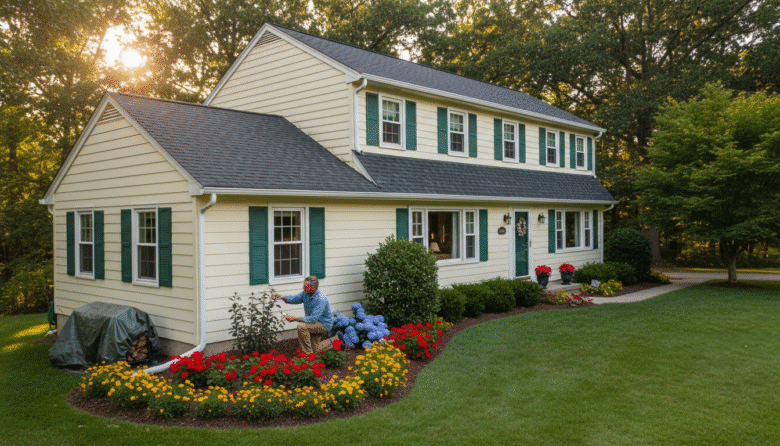
Maintain landscaping by trimming shrubs below window level. This eliminates hiding spots near entry points. Prune tree branches that provide climbing access to upper windows.
Visible security signs and decals deter many intruders. These indicators suggest monitored status. Creative decoys like dummy cameras or dog bowls create uncertainty for potential burglars.
Securing Your Home for a Safer and Long-Lasting Future
The ultimate goal of any security effort is to establish a comprehensive framework that protects your family and property across various scenarios. This approach extends beyond preventing break-ins to include fire safety and emergency preparedness.
Approximately 3,000 people die in residential fires annually. Working smoke detectors on every level and fire extinguishers in high-risk areas like kitchens provide essential defense. Pool safety matters too—fencing and swimming rules prevent drowning incidents.
Even robust security systems cannot guarantee absolute safety. Designate a safe room and practice emergency plans twice yearly. This preparation ensures everyone knows their role during high-stress situations.
By implementing these layered measures, you create a resilient living environment. Your consistent commitment to security preserves both people and property for years to come.