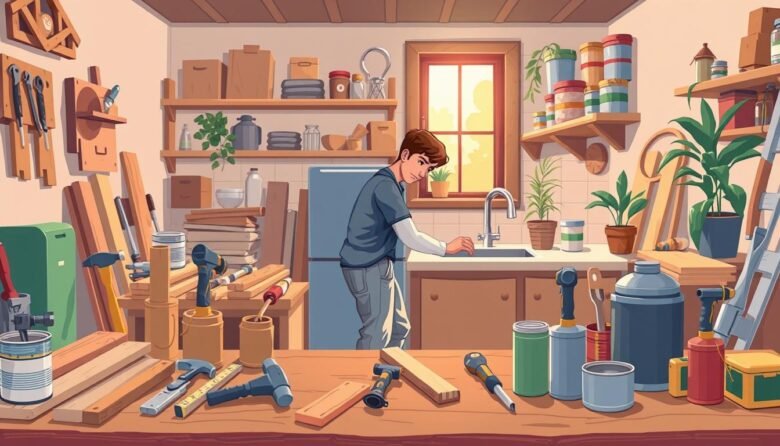
Does a dripping faucet or a squeaky floorboard disrupt your peace? You are not alone. Many residential challenges feel overwhelming, but they often have straightforward fixes.
This guide puts the power back in your hands. We provide clear, actionable steps to address frequent annoyances in your living space.
A proactive approach to caring for your house can save you significant money over time. It also reduces daily stress and extends the life of your appliances and fixtures.
Instead of calling a professional for every little thing, you can learn simple diagnostics. With a few key tools, you can resolve many problems in minutes.
Our goal is to transform your perspective. You will move from feeling frustrated to feeling confident and in control of your home environment.
Key Takeaways
- Many frequent home problems have simple do-it-yourself fixes.
- Taking a proactive stance on maintenance saves money and reduces stress.
- Learning basic diagnostics and having essential tools empowers you.
- Step-by-step guidance can build your confidence for various repairs.
- A well-maintained home provides greater peace of mind and satisfaction.
- This resource is organized by room and problem type for easy reference.
- Embrace the accomplishment of solving challenges on your own.
Introduction: Taking Control of Your Home
From mysterious hums to stubborn drafts, your living space will communicate its needs over the years. Every property develops its own quirks.
The immediate reaction is often to phone for professional help. This habit can drain your budget for fixes you might handle yourself.
Taking charge of minor repairs builds more than just savings. It fosters self-reliance and a tangible connection to your house.
This guide translates cryptic error codes and odd noises into clear steps. We gathered strategies from repair technicians, organizers, and cleaning experts.
You get trusted, field-tested advice. The goal is to turn confusion into confident action.
Whether you have five minutes or a free weekend, there’s a suitable approach. Small tweaks can restore order in your day.
Adopting a proactive mindset stops a tiny thing from becoming a major problem. It protects your peace of mind for the long term.
Let this resource be your first step. Move toward a more efficient and well-maintained home life.
1. Laundry Room Woes: From Cold Washes to Wandering Machines
Your laundry room should be a place of efficiency, not a source of persistent annoyances. Several typical malfunctions can usually be traced to a few correctable causes.
Addressing them promptly protects your appliances and your peace of mind.
Ensuring Your Clothes Get Truly Clean: The Cold Water Temperature Fix
Cold water washes save energy, but they must be within the right temperature range. Detergent enzymes need water between 65°F and 85°F to activate properly.
If the inlet water is colder, powders may not dissolve and stains might remain. This is a simple problem to diagnose.
Use a kitchen thermometer to check the temperature at your washing machine. Run the cold cycle and catch some water in a cup.
Readings below 65°F mean your clothes aren’t getting clean. You have a couple of easy ways to fix this.
One method is to use the warm setting for the first part of the fill. Another is to run hot water at a nearby tap for a minute before starting the washer.
This raises the initial temperature in the pipes. Your laundry will come out fresher every time.
Stopping the “Walking Washer”: How to Level Your Machine
A washing machine that moves during the spin cycle is called a “walking” washer. This often points to an uneven floor.
The shaking can damage your appliance and the flooring underneath it. Leveling the machine creates a stable base.
Start by checking the front leveling legs. You may need to loosen the locking nut with a wrench.
Turn the leg itself to adjust the height. Do this until the cabinet feels solid and doesn’t rock.
Many models have self-adjusting rear legs. Gently tilt the machine back and forth to let them settle.
If they are stuck, a light tap can free them. Tighten all locking nuts securely once the machine is level.
Silencing a Noisy Spin Cycle with Simple Adjustments
Loud banging or vibrating noises often come from the same root cause. An unlevel cabinet rocks violently during high-speed spins.
Re-leveling the front legs, as described above, is usually the solution. Ensure the locking nuts are fully tightened after adjustment.
This stops the metal frame from rattling against the floor. Your laundry area will become much quieter.
As a smart preventive step, consider a magnetic laundry guard. This product attaches to the back of your washer and dryer.
It forms a barrier that keeps socks and other small items from falling behind the appliances. This saves you from retrieving lost clothes and helps maintain clear airflow.
These straightforward actions prevent long-term wear. They ensure your laundry routine runs smoothly for years.
2. Appliance Mysteries Decoded: Before You Call for Repair
When your oven suddenly goes cold or the dishwasher blinks an odd code, it can feel like your appliances are speaking a foreign language. These moments cause immediate stress. Yet, a surprising number of these malfunctions have simple explanations.
You can often diagnose and fix the problem yourself in just a few minutes. Learning these basics turns panic into confident action.
This knowledge saves you the cost and wait time of a service visit. It puts you back in control of your home.
Interpreting Fault Codes: Your Appliance’s Secret Language
Modern machines communicate through alphanumeric fault codes. An “F3” on your oven or “E5” on your washer is a direct clue from its internal diagnostics.
These codes point to specific component failures. Your first step is to find the definition.
Locate the model number on your appliance. It is usually on a sticker inside the door or on the back.
Search for this number online with the fault code. You will find official manuals and forums with the answer.
This one thing empowers you to order the correct part. You can also give precise information to a technician if needed.
The Oven That Won’t Heat: A Simple Clock Check
A cold oven is a major kitchen disruption. Before you assume the worst, check the digital display.
Many digital ranges have a “time cook,” “delay start,” or “hold” function. If activated, the oven will not heat until the timer counts down.
The display might look like it shows the correct time. Look for any small icons or words indicating a programmed cycle.
The solution is often just pressing the “off” or “clear” button. This resets the control and allows normal operation.
This quick check resolves a lot of perceived failures. It takes only a few minutes and can save a lot of frustration.
Garbage Disposal Hums or Won’t Start? Reset and Unjam
A disposal that hums but doesn’t run is likely jammed. First, ensure the unit is switched off completely.
Look for a small red reset button on the bottom or side of the unit. Press it firmly. This is an overload protector that trips easily.
If it still hums, you need to manually free the impeller. Insert a special disposer wrench or a hex key into the hole on the unit’s bottom.
Turn it back and forth to dislodge the obstruction. You can often feel the jam release.
For a unit that gets no power, always check the reset button first. This two-step process fixes most disposal troubles.
For general upkeep, run cold water for a minute after use. This helps clear the drain lines and keeps things moving smoothly for years.
3. Door and Window Annoyances: Squeaks, Slams, and Sticks
Doors and windows are the gateways to your living space, but their minor malfunctions can be major irritants. These high-use components endure a lot of wear over the years.
Thankfully, the fixes for these problems are often quick and require minimal tools. You can restore quiet operation and smooth function in less than a day.
Silencing a Squealing Door Hinge with Petroleum Jelly
A squeaky hinge announces every movement. The sound comes from metal grinding against metal inside the joint.
Petroleum jelly is a superior lubricant for this one thing. It clings to the pin and won’t drip onto your wood or floor.
Close the door to support its weight. Tap the bottom of a hinge pin upward with a nail and hammer.
Pull the pin out completely. Coat it thoroughly with a dab of petroleum jelly.
Slide the pin back into the hinge. Wipe away any excess lubricant.
Repeat for each noisy hinge. The irritating squeal will be gone for a long time.
Fixing a Rattling Door by Adjusting the Strike Plate
A door that rattles in its frame lacks a tight seal. This often lets in drafts and noise.
The problem is usually with the metal strike plate on the wall. This is the piece the latch clicks into.
Use a screwdriver to remove the plate. You will see a small metal tab bent at a right angle.
This tab is the latch catcher. Grip it with a pair of pliers.
Bend the tab forward slightly toward the room. This simple adjustment takes just a minute.
Reinstall the strike plate. Your door will now close snugly without any play.
Repairing a Stripped Window Crank Handle
A casement window crank that spins freely has a stripped connection. The setscrew can no longer grip the smooth operator shaft.
First, remove the decorative cap on the handle. Loosen the visible setscrew and pull the handle off.
Look at the square metal shaft. You need to create a new flat spot for the screw to bite into.
Use a metal file on one side of the shaft. File just enough to create a small flat area.
Replace the handle and use a longer setscrew if you have one. Tighten it firmly against the newly filed spot.
This repair restores full control of your window. It is a permanent way to fix the problem.
Stopping Door Slams with Simple Bumpers
Loud door slams are jarring and can damage walls. The solution is to cushion the impact.
Adhesive-backed foam bumpers are perfect for this job. They are often sold for cabinet doors.
Peel off the backing and stick one or two to the door stop molding. Place them where the door edge makes contact.
These small pads absorb the force silently. They protect your home from noise and scuff marks.
For a damage-free option, consider no-drill magnetic door stoppers. These devices hold a door open securely.
One part sticks to the door, the other to the floor or wall. They are ideal for rentals or quick installation.
Addressing these core problems enhances daily peace in your house. Proper care also prevents long-term wear on the components.
You extend their functional life by many years. A quiet, well-sealed entryway makes a noticeable difference.
4. Quick Fixes for Loose Screws and Stripped Holes
A loose screw or a wobbly hinge can undermine the solid feel of your entire house. These small failures happen over years of use.
Stress on hardware wears down the wood around it. The problem seems big, but the solution is often simple.
You can restore a firm grip with basic tools and clever techniques. Let’s explore two reliable methods.
Reinforcing a Stripped Door Hinge for a Lasting Fix
A sagging or sticking door is usually caused by stripped hinge screws. The short original screws no longer hold in the worn jamb.
The permanent fix is to upgrade to longer screws. Use three-inch screws that anchor deep into the wall framing.
Remove the old, short screws from the top hinge first. Leave one screw in to support the door.
Replace it with a long screw and drive it in firmly. This one thing pulls the hinge tightly against the frame.
If the old hole is too damaged, you may need a new pilot hole. Angle your drill bit slightly upward or downward.
This helps you bypass the stripped wood and find a fresh, solid side to bite into. Repeat for the other hinge screws.
Your door will hang straight and close smoothly. This is a durable repair that lasts a long time.
The Handy Trick for a Loose Screw: Steel Wool or a Matchstick
Sometimes a screw just spins without tightening. This happens with cabinet latches, furniture, and older hinges.
The classic handyperson’s hack fixes it instantly. You pack the hole with a filler material to create new grip.
Fine-grade steel wool is a great choice. Twist a small piece tightly and push it into the hole.
A wooden matchstick works well too. Break off the combustible tip and use the wooden side.
Push the matchstick into the hole. You can snap it off flush with the surface.
Now reinsert the original screw. It will bite into the packed material and hold securely.
Avoid using glue for this lot of repairs. Glue makes future adjustments or removal very difficult.
These non-permanent fillers allow you to remove the screw later if needed. Your home regains stability without complex work.
5. Heating and Cooling Hiccups: DIY Diagnostics
HVAC problems often seem complex, but many have straightforward explanations you can check yourself. Your heating and cooling equipment is built with safeguards and simple access points for troubleshooting.
Learning a few key diagnostics can prevent costly service visits. It also ensures your family’s comfort during extreme weather.
These systems are more resilient than you might think. A methodical approach solves most frequent complaints.
If Your A/C Unit Won’t Turn On: Patience and Fuse Checks
Modern air conditioners have a built-in delay to protect the compressor. If the unit shuts off, it may not restart for about five minutes.
This is a normal safety feature. Always wait this brief period before assuming a real problem.
If it still won’t start, check the outdoor fuse block. This is a small, specialized panel on the side of the condenser unit.
Look for clear cartridge fuses. A blackened or broken filament indicates a blown fuse.
Replacing this one component is often the only fix needed. It is a simple and inexpensive thing to try first.
This step avoids an unnecessary service call. It gets your cool air flowing again quickly.
Furnace Not Working? Check the Switch, Vents, and Filter First
A silent furnace on a cold day is alarming. Perform these three checks in order before you panic.
First, locate the furnace power switch. It is often a standard light switch on the wall near the unit or mounted on the furnace itself.
Ensure it is in the “on” position. This simple oversight happens more than you might think.
Next, inspect exterior vents. For high-efficiency furnaces, clear any snow, leaves, or debris from the plastic sidewall vents.
A blocked vent will shut the system down for safety. Keeping this path clear is crucial.
Finally, examine the air filter. A clogged filter is a primary culprit for insufficient heating.
Replace disposable filters monthly during peak seasons. A clean filter protects your equipment and improves your home’s air quality.
Why One Room is Cold: The Blocked Return Vent
Uneven temperatures often point to an airflow issue. Your system needs to pull air back to heat or cool it effectively.
Cold air return vents are large, usually rectangular grates on your walls or floor. They are not the same as supply registers.
Furniture, area rugs, or curtains can easily block these intakes. A blocked vent starves the system of air for that room.
Walk through your house and ensure every return vent is completely clear. This free adjustment can balance temperatures immediately.
For an extra boost, consider a ceiling fan carbon filter. This device captures dust, pollen, and dander as air circulates.
It is a simple upgrade that improves the overall air in your living space. These diagnostic steps solve a majority of comfort issues.
Regular attention to filters and vents is the most effective way to maintain your systems. It prevents strain and extends their life for years.
6. Simple Electrical Checks to Avoid a Service Call
Electrical glitches, from a dark lamp to a silent outlet, are among the most puzzling problems a homeowner faces. They can make you feel powerless.
The good news is that many electrical faults have simple, safe explanations. You can often diagnose them yourself in minutes.
Professional electricians note that a significant percentage of service calls are for user-fixable items. Learning these checks puts you back in control.
This knowledge saves you the cost and wait time of a professional visit. It is a smart way to manage your home.
Outlet Dead? Look for a GFCI Reset
A non-working outlet is frustrating. Before you assume the worst, perform a systematic search for a tripped GFCI.
Ground Fault Circuit Interrupter outlets are safety devices. They protect multiple standard outlets on the same circuit.
Check bathrooms, the kitchen, laundry room, garage, and exterior walls. Look for an outlet with “TEST” and “RESET” buttons.
If you find one with the reset button popped out, press it firmly. This single action often restores power downstream.
Also, inspect your main electrical panel. Look for a circuit breaker with a similar “TEST” button and reset it if needed.
This is the first and most important step. It resolves the problem without any tools.
Light Fixture Out? Verify Bulbs and Switches
When a light goes dark, the fixture itself is rarely the culprit. Electricians always start with the simplest possibilities.
First, test the “bad” bulb in another working lamp. A bulb can fail even when new.
If it’s good, ensure it’s fully screwed into the socket. A loose connection prevents contact.
Next, investigate the wall switches. A switch might control a half-hot outlet where a lamp is plugged in.
Plug a different device into that outlet and flip the switch. This solves the mystery of switches that seem to do nothing.
These two basic checks—bulb and switch—fix most lighting problems. They take less than a day to complete.
Fuse Blown Again? Confirm the Correct Amperage
In older homes with fuse boxes, a repeatedly blown fuse points to an overload. The fix requires understanding amperage ratings.
Each fuse is rated for a specific current load, like 15 or 20 amps. Using a higher-rated fuse is a major fire hazard.
Always verify you have the correct amperage fuse for that circuit. The rating should be printed on the fuse’s side or end.
Ensure the new fuse is screwed in tightly. A loose connection can cause intermittent failure.
Prevent future blows by not overloading the circuit. Avoid running multiple high-wattage devices, like space heaters and hair dryers, at once.
This proactive approach protects your house for years. It addresses the root cause, not just the symptom.
For a handy upgrade, consider a space-saving outlet extender. This device lets you plug in cords behind furniture.
It allows your bed or sofa to sit flush against the wall. Choose a model with built-in surge protection for safety.
These diagnostics focus on user-accessible components. Safety is paramount; never work inside an electrical panel unless qualified.
Empowering yourself with this knowledge prevents frustrating and costly visits. You can confidently handle many simple electrical fixes.
7. Bathroom and Kitchen Cleaning Hacks
Cleaning these high-use rooms can feel like a never-ending chore. Smart strategies make it far more manageable.
The bathroom and kitchen endure constant exposure to moisture, grease, and grime. Keeping them fresh requires effective methods that save time and effort.
This section reveals professional-grade hacks for tackling stubborn problems. You will learn how to eliminate mold, restore tile, neutralize odors, and achieve streak-free surfaces.
Eliminating Mold and Mildew with Targeted Gels
Stubborn black spots on shower caulk or tile grout are a frequent sight. A specialized cleaning gel provides a powerful solution.
These thick formulas cling to vertical surfaces like your shower tub wall. They work overnight to dissolve mildew without scrubbing.
Apply the gel directly to the affected area and let it sit. By morning, you can simply rinse the residue away.
For ongoing prevention, use a bleach-free weekly shower spray. A quick mist after each use stops soap scum and hard water deposits from forming.
Cleaning Tile and Grout with Dish Soap and a Microfiber Mop
Professional cleaners achieve sparkling floors with minimal chemicals. Their secret is a dime-sized amount of dish soap in a bucket of warm water.
Use a microfiber-padded mop for this task. The microfiber attracts and holds dirt and grease effectively.
This method lifts grime from tile and brightens grout lines. It is a gentle yet highly effective way to clean.
Rinse the mop head frequently in clean water. Your kitchen or bathroom floor will look renewed.
Deodorizing a Stinky Garbage Disposal with Vinegar
Foul odors from your kitchen sink often originate in the disposal. Inexpensive cleaning vinegar is a natural deodorizer.
Pour two to three cups of vinegar down the drain. Turn on the disposal and run cold water for a few seconds.
Let the mixture sit in the unit for 15 to 20 minutes. The acid breaks down organic buildup causing the smell.
Finish by flushing with more cold water. This one thing keeps your sink area smelling fresh.
Consider installing sink sound dampeners under a stainless steel basin. They reduce the loud clang from dropped items.
Using a Streak-Free Method for Windows and Mirrors
You can achieve perfectly clear glass without expensive sprays. The professional cleaning method requires only two rags.
Soak a lint-free rag in warm water. Do not use fabric softener, as it leaves a film.
Wring it out slightly so it is very wet. Wipe the glass thoroughly with this rag.
Immediately polish the surface dry with a second, clean rag. This technique removes all streaks and spots.
It works on home windows, mirrors, and glass shower doors. You will save a lot of money on specialty products.
For general dust and hair removal, try a highly-rated duster sponge. Dampen it slightly with water to attract and hold debris from surfaces and baseboards.
A dedicated toilet tank cleaner is another smart product. It dissolves limescale and stains you don’t see during regular cleaning.
These hacks promote a cleaner, healthier environment in your house. They use effective, often simpler, and more affordable methods.
Adopting just a few can transform your cleaning routine. You will spend less time and get better results in every room.
8. Effective Common Household Issues Solutions for Clutter
An overflowing junk drawer or a chaotic closet often feels like a battle you can’t win. This visual and physical chaos drains your energy and makes daily tasks harder.
A systematic way to manage possessions transforms this struggle. It creates calm, functional spaces that support your daily life.
This approach is not about perfection. It is about building sustainable habits that work for you every day.
The Golden Rule: Give Every Item a “Home”
The core principle of organization is simple. Define a specific, logical place for every object you own.
This designated spot is its home. The rule is to return the item there immediately after use.
This single habit drastically cuts down on daily clutter. You always know where to find your keys, tools, or documents.
Start with categories like office supplies or accessories. Clear acrylic organizing cases are perfect for belts and ties.
You can see everything at a glance. Install adhesive-backed hat racks inside closet doors for caps.
This maximizes vertical space and keeps clothes areas neat. Giving items a home is the foundation of lasting order.
Declutter in Sections with a Time Limit
Facing a whole room can be overwhelming. The key is to start very small.
Choose a single drawer, shelf, or countertop. Set a timer for fifteen to thirty minutes.
This creates focus and builds momentum. Work quickly to sort items into three piles.
Label them “keep,” “donate,” and “trash.” Use a box for the donate items to pack them away easily.
When the timer goes off, stop and deal with the piles. This time-boxed method prevents burnout.
Small wins add up to big changes over time. You regain control without a full weekend project.
Ask the Key Question: “Will I Use This Soon?”
Decision fatigue is a major blocker. A clear question cuts through the hesitation.
Hold each item and ask: “Will I use this in the foreseeable future?” If the answer is not a definite yes, let it go.
This one question frees you from guilt. It separates sentimental value from practical utility.
That gadget still in its box or clothes that don’t fit are classic examples. If they don’t serve you now, they likely won’t in five years.
Letting go creates space for the things you truly need and love. Your space will start to look like the home you want.
For securing items without damage, use Museum Gel. This reusable putty holds decorative objects, soap dispensers, or drawer organizers in place.
It works on furniture and tile without drilling. This keeps your systems intact and your floor clear.
Adopting these strategies turns clutter management into a clear process. You build a living environment that reduces stress and saves cleaning hours.
The goal is a purposeful space where everything has its place. You gain peace of mind and reclaim your time.
9. Furniture and Flooring First Aid
Your furniture and flooring endure daily wear, but minor damage doesn’t have to mean expensive replacements. With a few smart techniques, you can restore their function and appearance.
These methods protect your investment and keep your living space looking its best. They turn frustration into a satisfying repair project.
Reinforcing a Sagging Drawer Bottom
A drawer that sags in the middle loses its usefulness. The fix restores structural integrity without a full replacement.
First, ensure the drawer box is square. Push the corners into alignment if needed.
Cut a piece of 1/4-inch plywood to fit snugly inside the drawer. This panel will act as a supportive layer.
Apply wood glue to the underside of the original bottom. Press the new plywood panel firmly into place.
Let it dry completely under weight. This one reinforcement adds years of life to your furniture.
Using Candle Wax to Lubricate Sticking Wood Drawers
A drawer that sticks is a frequent annoyance. The solution is a simple, mess-free lubricant you likely own.
Remove the drawer to access its skids and the cabinet tracks. Rub a plain white candle along these wood-on-wood contact points.
The wax creates a smooth, dry barrier. It reduces friction without attracting dust like oils can.
Reinsert the drawer and test the slide. This quick way saves you time and frustration every day.
Ironing Out Dents in Wood Surfaces
Dents and bruises in tables or floors can seem permanent. Steam can often lift the compressed wood fibers.
Place a slightly damp cloth over the dented area. Set a household iron to a medium-high steam setting.
Press the iron down on the cloth for several seconds. The steam will swell the crushed fibers back up.
For a deeper dent, use a pin to make a tiny hole first. This allows more steam to penetrate.
Let the area dry completely. You may need to sand the side lightly and apply a finish to blend it in.
Blending Fillers to Patch Laminate Floor Scratches
Deep scratches on laminate flooring are noticeable. Specialized colored fillers can make them nearly disappear.
Select a filler kit with multiple colors. Mix small amounts on a palette to match your floor’s exact shade.
Use a plastic putty knife to press the filler into the scratch. Work it in firmly and scrape away the excess.
Let it dry and buff it smooth. This tool and technique deliver a professional-looking patch.
For scratches on stained wood trim or furniture, a wood stain marker is perfect. It allows for quick, precise touch-ups.
Apply a bit of stain directly to the scratch. Wipe away any excess with a cloth.
These restoration techniques prevent minor damage from becoming a major eyesore in your home. They require minimal investment and often use items already in your house.
You extend the beauty and function of your surroundings. Tackling these projects builds confidence for larger repairs.
10. Carpet and Upholstery Refreshers
Revitalizing your carpets and furniture doesn’t require professional services. A few simple techniques can make them look new again.
Soft surfaces in your home endure a lot of daily traffic. Footprints and furniture impressions can leave them looking tired.
Pet hair clings stubbornly to fabrics. Addressing these two areas quickly improves any room.
Fluffing Up Furniture Dents in Your Carpet
Those deep impressions from chair legs are not permanent. You can erase them with items already in your house.
Start by lightly dampening a white cloth with water. Place it over the dent on your carpet floor.
Use a hair dryer on a medium heat setting. Gently warm the area through the cloth for a few minutes.
The steam helps reactivate the compressed carpet fibers. Next, take the bowl of a metal spoon.
Gently rake the spoon in all directions across the yarn. This agitation coaxes the pile back to a uniform height.
This one thing works without harsh chemicals. It is a safe way to restore your carpet’s appearance.
Conquering Pet Hair with the Right Roller Tools
Lint rollers and vacuum attachments often struggle with embedded hair. A specialized tool like the ChomChom roller makes a big difference.
This reusable device uses a mechanical, static-free method. It effectively lifts hair from upholstery, bedding, and clothes.
The design allows you to pack a lot of cleaning power into a simple tool. It outperforms disposable options over time.
Regular use keeps your soft furnishings looking fresh. It extends their life between deep cleanings.
These strategies offer a quick refresh for your living space. They make your entire house look cleaner and more cared for.
11. Smart Organizing Products for Everyday Problems
Sometimes the right tool can turn a persistent headache into a non-issue in seconds. A curated selection of innovative products addresses specific nagging problems in your living space.
These items are designed with smart functionality to simplify daily tasks. They help you reclaim wasted space and maintain order effortlessly.
This approach focuses on prevention and efficient use of existing areas. You can achieve major improvements without complex renovations.
Preventing Lost Items Behind Appliances with Laundry Guards
A magnetic laundry guard is a simple yet brilliant product. It attaches to the back of your washer and dryer.
This creates a barrier that catches socks and small clothes before they vanish. It saves you from the frustrating retrieval process.
Your laundry room stays cleaner and safer. This one product can prevent a lot of daily annoyance.
It also helps maintain clear airflow around your appliances. This promotes better performance and longevity.
Creating Space with Outlet Extenders and Sliding Shelves
Outlet extenders are a safety and space-saving innovation. They let you plug in cords behind heavy furniture.
Your bed or sofa can sit flush against the wall. This eliminates dangerous cord pinching and unsightly gaps.
For deep kitchen cabinets, two-tier sliding shelves are a game-changer. They bring items stored in the back forward with a simple pull.
You maximize every inch of storage without a major overhaul. This is a great way to organize pots, pans, or pantry goods.
You reclaim valuable floor space and reduce clutter. These tools pack a lot of utility into a compact design.
Organizing with No-Drill Magnetic and Adhesive Solutions
Damage-free organizing products are perfect for renters or quick upgrades. Strong magnetic and adhesive options provide versatile holding power.
Magnetic door stoppers hold a door open securely without screws. Adhesive-backed hat racks install inside closet doors in minutes.
A no-drill window shelf creates a stable plant ledge. Museum Gel is a reusable putty that holds decorative objects in place.
Peel-and-stick contact paper can refresh the look of appliances. You can choose from multiple colors and patterns.
These solutions allow you to customize your space without permanent changes. They offer a little bit of flexibility that makes a big difference.
Other niche tools solve very specific problems. A water dispenser leveler ensures your fridge dispenser is perfectly aligned.
A specialized drip tray fits under an LG ice maker to catch leaks. Pee pad magnets secure training pads for pets on tile floors.
Double shower hooks and adhesive towel clips maximize bathroom storage. A crack weeder tool removes weeds from pavement without chemicals.
Consider a Tub Topper to create a contained play space for kids. A Sink Topper adds instant counter space over a small bathroom sink.
Self-closing toothpaste caps and duster sponges handle small but frequent tasks. Sink sound dampeners reduce noise from a stainless steel basin.
Luigi’s plunger is a specialized tool for effective sink unclogging. Each product demonstrates how smart design simplifies home management.
You can pack these items into a junk box for future projects. They empower you to tackle problems as they arise.
Your entire house benefits from these thoughtful innovations. They save you time and reduce daily stress.
12. Minor Plumbing Leaks and Drips
Tackling a leak or clog early prevents extensive damage and saves you from a costly plumber visit. These small plumbing troubles are among the most frequent reasons people call for professional help.
Yet, with a basic understanding, you can often resolve them yourself. This approach protects your home from water damage and keeps your budget intact.
Fixing a Leaky Valve by Tightening the Packing Nut
A small puddle under your sink or toilet often points to a leaking valve. The source is usually a loose packing nut on the valve stem.
This nut compresses a seal around the moving part. Over time, it can loosen and allow water to seep out.
Grab an adjustable wrench for this quick fix. Locate the packing nut just behind the handle on the valve’s side.
Tighten it about an eighth of a turn clockwise. This small adjustment is often all it takes to stop the drip.
Avoid overtightening, as this can damage the seal or make the valve hard to turn. Check for leaks after tightening.
This one thing solves a lot of minor leak problems. It takes just a few minutes and requires no special skills.
Unclogging a Sink with a Proper Sink Plunger
A slow-draining sink in your kitchen or bathroom is a typical nuisance. The right tool makes clearing it a simple task.
Always use a dedicated sink plunger, not a standard toilet plunger. A sink plunger has a flat rim designed to seal over a flat drain.
Models like Luigi’s plunger are engineered for this specific job. They create a strong seal to build hydraulic pressure.
Start by clearing any standing water from the sink. Plug the overflow hole in the tub or sink with a wet rag.
Place the plunger cup completely over the drain. Push down firmly and then pull back sharply several times.
This action dislodges blockages deep in the pipes. Finish by running hot water to flush the debris away.
Having this tool empowers you to handle most simple clogs. You avoid harsh chemicals and the wait for a plumber.
Addressing these issues promptly is crucial. It prevents water damage to cabinets and floors underneath.
This proactive way saves you from expensive repairs down the line. Your entire house stays safer and more secure.
You gain confidence knowing you can manage these small emergencies. It’s a smart way to take control of your living space.
13. Pest Prevention Strategies
Effective pest management is less about reactive extermination and more about smart, preventative habits you can build over time. A vigilant approach protects your home’s integrity and your family’s comfort.
Integrated strategies focus on removing attractions and blocking entry. This method is more effective and less costly than dealing with a full-blown infestation.
Mosquito Control: Eliminate Standing Water and Mow the Lawn
Mosquitoes need standing water to breed. A proactive plan involves routinely checking your property.
Dump collected rainwater from birdbaths, plant pots, and kiddie pools. This one thing disrupts their life cycle at the source.
Keep your grass trimmed short. A maintained lawn reduces shady resting areas for adult insects.
It makes your entire yard less inviting. This simple way to manage the problem works over many years.
Keeping Flies Out: Secure Screens and Manage Trash
Flies seek food and breeding grounds inside your house. Fortify your barrier against them with two key actions.
First, inspect and repair all window and door screens. Ensure they seal tightly to block entry points.
Second, maintain strict kitchen cleanliness. Empty indoor trash cans every day and clean sink drains regularly.
This removes the odors and residues that attract them. A clean space is a strong defense.
Storing Firewood Properly to Avoid Insect Infestations
Firewood stacked against your house can become a bridge for pests. Termites, ants, and other wood-boring insects use it to get inside.
Learn the correct storage method to prevent this. Always place wood on a raised platform or rack.
Keep the pile at least three feet from your home’s exterior. Cover the top with a tarp to keep it dry.
Do not wrap the stack in plastic. This traps moisture and creates a perfect habitat on the side of the pile.
Proper storage keeps your wood dry and deters pests. It protects your house for a long time.
Identifying the Early Signs of a Bed Bug Infestation
Early detection is critical with bed bugs. Recognize the telltale signs to enable quick intervention.
Look for small reddish or rust-colored stains on bedding. These are minute blood spots.
Check for tiny pale eggs, eggshells, or shed skins in mattress crevices. Dark spots in seams are another clue.
A sweet, musty odor in the room can also indicate their presence. If you suspect an infestation, do not move to another room.
Relocating sleep spaces can spread the problem throughout the house. Professional treatment is the essential next step.
A vigilant approach saves you stress and protects your home life.
14. Outdoor and Deck Maintenance
Transforming your deck into a secure and inviting retreat involves simple, periodic maintenance tasks. This outdoor floor extends your living area and deserves regular care.
A proactive approach protects your investment and ensures safety for everyone. It also preserves the beauty of the wood for many years.
Maintaining a Safe Deck Surface: Drive Down Nails and Sand Rough Spots
Your deck’s surface endures weather and foot traffic every day. Seasonal inspections are a smart way to catch small problems before they grow.
Walk the entire area and look for raised nail heads or loose screws. Use a hammer to drive them flush with the wood.
This one thing prevents painful trips and snagged clothing. It also stops moisture from seeping into the fastener holes.
Next, feel for rough or splintered patches on the planks. These areas can injure bare feet and pet paws.
A hand sander or sanding block is the right tool for this job. Smooth the wood until it feels even to the touch.
Pay extra attention to the edges and the side facing your house. Replace any boards that are warped, cracked, or show signs of rot.
Timely replacement stops decay from spreading. It extends the functional life of your entire deck structure.
Lighting Your Way with Solar-Powered Deck Lights
Good lighting makes your deck usable after sunset. It enhances safety and creates a pleasant ambiance for evening gatherings.
Solar-powered lights offer a brilliant, wire-free solution. They install easily along stair risers, railings, and pathways.
These fixtures charge during the day using sunlight. They automatically turn on at dusk and off at dawn.
The energy efficiency means no added electricity costs. You also avoid the complex work of running wires.
For the best performance, ensure the solar panels face south. Keep them clean from dust and debris for maximum charge.
This upgrade is a straightforward weekend project. It significantly improves the security and charm of your outdoor space.
Regular upkeep, combined with smart enhancements, protects your home. Your deck will remain a favorite spot for a long time.
15. The Handyperson’s Secret Toolkit
Professional handypersons achieve flawless finishes not just with skill, but with a curated selection of niche products. This specialized arsenal goes beyond basic hammers and screwdrivers.
It contains the secret weapons for professional-grade fixes. Having these items prepares you for a wide array of quick repairs.
You save significant time and money over the years. Your entire home benefits from these clever solutions.
Touch-Up Paint for Appliances and Stain Markers for Wood
Make scratches and chips virtually disappear with color-matched products. This technique restores the original look of surfaces.
For appliances, use epoxy touch-up paint. Find the exact match for your fridge or washer model.
Apply multiple thin coats for the best result. Let each layer dry completely.
For wood scratches, a stain marker is the perfect tool. It allows for quick, precise touch-ups on furniture and trim.
Apply a little bit of stain directly to the scratch. Wipe away any excess with a clean cloth.
These products extend the life and beauty of your belongings. They solve a visual problem in minutes.
Everyday Lubricants: Pencil Graphite and WD-40 Pens
Not all lubricants are messy oils. Some of the best options are clean and dry.
The graphite in a standard pencil is a fantastic dry lubricant. Rub the “lead” on a sticky keyhole or lock mechanism.
It reduces friction without attracting dust. This is a simple way to fix a stubborn lock.
For other squeaky parts, a WD-40 pen offers controlled, no-mess application. Use it on hinges, tools, and sliding tracks.
The pen format prevents overspray. It keeps the lubricant exactly where you need it.
These two items handle a lot of minor annoyances. They keep things moving smoothly in your house.
Cleaning Battery Contacts to Revive Old Devices
Seemingly dead remote controls and toys often just have dirty contacts. Corrosion builds up on the metal battery terminals.
This blocks the electrical connection. The fix is straightforward and requires no special tool.
Remove the old batteries first. Use a pencil eraser to scrub the contact points inside the device.
For tougher corrosion, fine-grit sandpaper works well. Gently rub until the metal shines brightly again.
Insert fresh batteries. Your device should spring back to life.
For a more permanent solution, consider thread-locking compound. This blue liquid secures screws that tend to vibrate loose.
Apply a tiny drop to the threads of screws on appliances and furniture. It prevents loosening over time.
This one thing adds durability to your repairs. Curate this collection of affordable products.
You will be ready for invisible fixes any day. It transforms your approach to caring for your living space.
16. Empowering Your Home Maintenance Journey
You now possess the knowledge to tackle many repairs that arise in your living space. This guide transforms frustrating moments into opportunities for personal empowerment and control.
Building DIY confidence is a gradual process. Each successful fix adds to your skill set and reinforces a proactive way of thinking.
This mindset is the key to preserving your home’s value and your peace of mind over time. Continue to research projects and expand your toolkit.
Celebrate the financial savings and deep satisfaction that come from handling a repair yourself. Your house is a dynamic system that benefits from regular care.
Let this be the start of a more engaged relationship with your property. Maintaining it yourself deepens your connection and ensures it serves your life well for years.