The way people care for their houses is undergoing a significant shift. This analysis explores the new patterns emerging in how individuals manage their property upkeep. We examine fresh information from various industry reports and consumer studies.
Understanding these evolving patterns is crucial for anyone involved in the housing sector. This includes property owners, industry experts, and companies offering related services. The insights reveal how economic factors and new technologies influence decisions.
This article will delve into key themes shaping today’s landscape. We will look at regional differences, the choice between do-it-yourself projects and hiring professionals, and how spending habits are adapting. The goal is to provide a clear, data-driven perspective on current shifts.
Demographic changes and market forces also play a major role. This introduction sets the stage for a detailed exploration of these dynamic changes in property care for the present year.
Key Takeaways
- Current patterns in property upkeep are shifting due to new economic and technological influences.
- Recent data from industry sources provides valuable insights into these changes.
- Understanding these shifts is important for property owners and businesses in the sector.
- Key factors include regional variations and choices between DIY and professional services.
- Spending habits and lifestyle priorities are central to the evolving approach to home care.
- This analysis offers actionable information based on authoritative data.
Emerging Homeowner Maintenance Trends and Regional Differences
Where you live significantly influences your approach to handling household repairs and upkeep duties. Recent survey information reveals fascinating geographic patterns in how Americans care for their properties.
Variations in Regional Attitudes and Practices
Frontdoor, Inc. data shows that 92% of household members tackle repairs themselves. However, confidence levels vary dramatically by location.
Northeast residents typically handle duties independently. Southeast property owners more often seek parental assistance. Southwest individuals feel capable fixing plumbing issues like leaky faucets.
Midwest residents express less comfort with their own plumbing work. Trust in expert opinions also differs regionally.
Generational Shifts in Handling Home Repairs
Age groups demonstrate distinct approaches to property care. Younger generations show different comfort levels with hands-on work.
Time availability and willingness to learn new skills affect these patterns. Nearly half of certain segments feel differently about responsibilities than national averages.
These generational differences reflect evolving attitudes toward self-reliance and professional help.
Economic Influences on Home Maintenance Choices
Financial pressures are creating a new landscape for residential care and improvement projects. Current economic conditions directly affect how people allocate resources for their property.
The housing market shows interesting patterns in improvement spending this year. HIRI forecasts a 2.5% increase in market spending for 2025.
Rising Costs, Budget Constraints, and Spending Shifts
Household budgets face multiple pressures. Rising improvement costs and tighter budgets force careful prioritization.
Consumer confidence dropped 5% from last September. This anxiety influences spending decisions across income levels.
Many people now focus on essential repairs rather than large renovations. This shift reflects practical responses to economic uncertainty.
The Impact of Household Income on Maintenance Priorities
Income remains the strongest predictor of improvement behavior. The top 20% of earners account for half of all market spending.
Significant disparities exist between economic segments:
- Households earning $200K+ spend over $10,000 yearly
- Those making $100K-$200K spend about half that amount
- Lower income groups face greater cost barriers
Despite disposable income rising nearly 2% year-over-year, weaker cash reserves limit project scope. Economic factors now dictate the scale and timing of property investments.
Evolving DIY Culture Versus Professional Assistance
Property care decisions increasingly fall into two distinct categories. People either tackle repairs themselves or hire experts for the work. This division reflects practical considerations about skills, time, and budget.
Recent data reveals that 84% of property owners delay addressing repair needs. Many prefer spending their free time on enjoyable activities rather than home tasks. Others simply lack the available hours for these projects.
Trends in DIY Projects and Owner Confidence
Nearly half of all property owners have the necessary tools for basic duties. Yet almost the same percentage feel overwhelmed by what their home requires. This contradiction highlights the confidence gap in DIY culture.
Hands-on efforts typically focus on simpler, lower-cost improvement projects. These include security system installation and basic landscaping. Plumbing fixture replacements also rank among popular DIY tasks.
The Growing Role of Expert Repair Services
Complex systems like HVAC and major appliances usually require professional attention. Most people don’t feel safe or qualified to handle these repairs. This explains why over 80% of project dollars go to experts.
Trust in professional opinions remains remarkably high at 92% among homeowners. The demand for specialized skills continues growing for complicated projects. Meanwhile, construction job availability has increased recently.
This evolving balance shows strategic thinking about home care. People choose DIY approaches for savings on smaller tasks. They hire professionals for complex jobs requiring expertise.
The Integration of Smart Technology in Home Maintenance
Technology adoption represents the next frontier in residential property management strategies. Digital tools are transforming how people approach routine care for their living spaces.
Adoption of Digital Tools and Early Technology Enthusiasm
Recent survey data reveals remarkable enthusiasm for tech solutions. An impressive 94% of property owners identify as early adopters of new technology for their homes.
This enthusiasm extends to professional relationships. About 63% believe digital tools improve communication with service providers. Better coordination streamlines the repair process significantly.
Managing Routine Tasks with Smart Home Systems
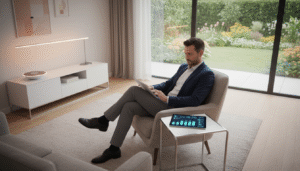
Smart systems handle numerous daily operations effortlessly. Property owners can control lighting, adjust temperature, and monitor systems through smartphones.
These technologies make routine upkeep more accessible. Changing filters and operating appliances become simple activities. Continuous monitoring helps prevent major issues.
More than half of property owners express that greater tech access would improve their repair capabilities. This suggests strong demand for integrated solutions that make home care proactive rather than reactive.
Exploring Homeowner Maintenance Behavior Trends in Home Improvement Spending
Current spending patterns reveal a clear preference for practical home investments over ambitious remodeling ventures. Data from the past year shows essential upkeep activities dominated project completion rates.
Routine care projects proved nearly twice as popular as major renovations across all quarters. This shift reflects cautious financial planning amid economic uncertainty.
Maintenance Over Renovation: Budget and Project Preferences
Most property owners prioritize improvement spending above other discretionary categories. However, this focus centers on projects costing less than $5,000.
More than half consider it unfavorable to start mid-range projects between $5,000 and $25,000. Nearly two-thirds feel the same about ventures exceeding $25,000. This cautious approach signals strategic budget allocation.
Data-Driven Insights on Consumer Spending and Project Scale
Generational analysis reveals Millennials and Gen X households each spend approximately $5,000 annually. Millennials complete the most projects yearly, while older generations show lower activity levels.
Housing age significantly influences investment patterns. Properties built before 2010 average $1,100 more in annual spending than newer homes. This reflects the ongoing care needs of older structures.
Project focus shifted from exterior work in earlier months to indoor systems and living spaces later in the year. Consumer buying strategies now favor practical products like appliances, furniture, and paint.
Closing Reflections on Shifting Homeowner Expectations
Today’s property owners navigate a complex matrix of factors when planning their home investments. This analysis reveals how economic realities, technological advances, and demographic shifts collectively reshape residential care approaches.
Current patterns emphasize strategic thinking over impulsive spending. People increasingly prioritize essential upkeep while delaying major renovations. This cautious approach reflects both financial prudence and changing lifestyle priorities.
Regional differences and generational preferences further diversify these evolving trends. The integration of smart technology offers new solutions for proactive property management. These developments signal a more calculated relationship between Americans and their living spaces.
Understanding these shifts provides valuable insights for making informed decisions about property care. Both residents and industry professionals benefit from recognizing how expectations continue to evolve in response to broader market forces.